Safe hair bleach for vibrant, even hair bleaching - Garnier Safe hair bleach for vibrant, even hair bleaching - Garnier

How to Choose a Safe Bleach for Even and Vibrant Results

Choosing hair bleach starts with finding the right formula, such as a peroxide-based system designed for controlled lift, and then applying it safely for even and vibrant results. This guide explains what to look for on labels, and how to test and apply it for consistent results so you achieve your desired result while protecting your hair.

Understand the Different Types of Bleach

Bleach is a catch-all term for oxidizing agents that lighten, or ‘lift’, color in a controlled way. Hair bleach comes in the form of a peroxide-based powder or cream paired with a developer (hydrogen peroxide) to oxidize melanin for lift. Use only as directed; do a patch and strand test; avoid scalp contact where advised; ventilate work area.

When used carefully for hair lightening, peroxide-based bleach is the safe choice as opposed to ammonia. It causes less damage and acts more slowly for better control. Use only as directed and do both a patch and a strand test. Be sure to avoid the scalp as advised and work in a ventilated area.

Identify Your Hair Type

If you plan to dye with a bold color after bleaching, choose a professional peroxide-based system capable of the lift you need before applying vivid shades.
Hair characteristics matter:

01
Texture and porosity
• Coarse or curly hair can lift unevenly.
• Slower lift with lower peroxide and conditioning additives helps maintain uniformity.
• Fine or pre-lightened hair requires gentler formulas to minimize breakage.
02
Natural color base
Darker bases may require staged lightening for evenness; rushing to high lift increases the risk of banding (clear horizontal delineations between colors).
03
Condition
Damaged hair absorbs faster and can overprocess. Prioritize bond-supporting, pH-buffered, or oil-powered systems to moderate the reaction.

Garnier recommends finding the best hair bleach kit for bold color with a balance of performance and care. Look for ammonia-free, oil-powered formulas engineered for controlled lift such as Olia B+++ Bleach Blonde Extreme, and consider our expert guide on how to bleach hair at home for the right techniques.

Read and Interpret Product Labels Carefully

  • Labels tell you what a bleach can safely do—and what it can’t.
  • Active ingredients and concentration: DIY kits specify developer volume (10/20/30/40) and lift level.
  • Stabilizers, buffers, and conditioners: Look for pH buffers, oils, and conditioning agents that help ensure even processing and reduce irritation.
  • Processing time and compatibility: Follow application times precisely and confirm or hair compatibility.
  • Safety icons and warnings: Gloves, ventilation, patch tests required, and first-aid statements signal proper precautions.

Carefully reading labels will help you determine the best hair bleach kit for bold color - Garnier

Perform Patch and Strand Tests for Safety and Evenness

Never skip testing because reactions vary by person and hair history.

01
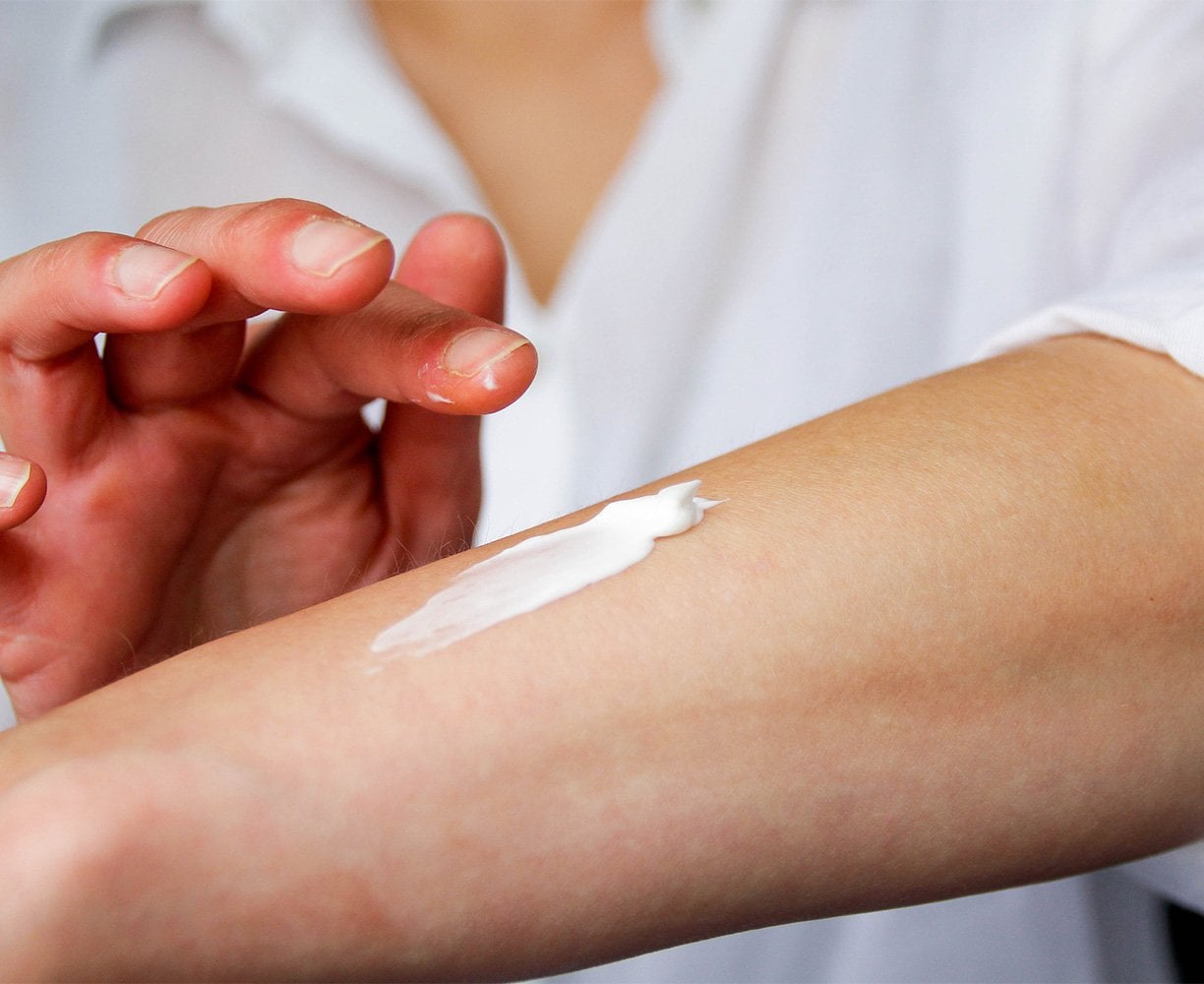
Patch test
Apply a small amount to the area per product directions. Wait 24–48 hours and monitor for redness, itching, burning, or swelling before proceeding.
02
Strand test
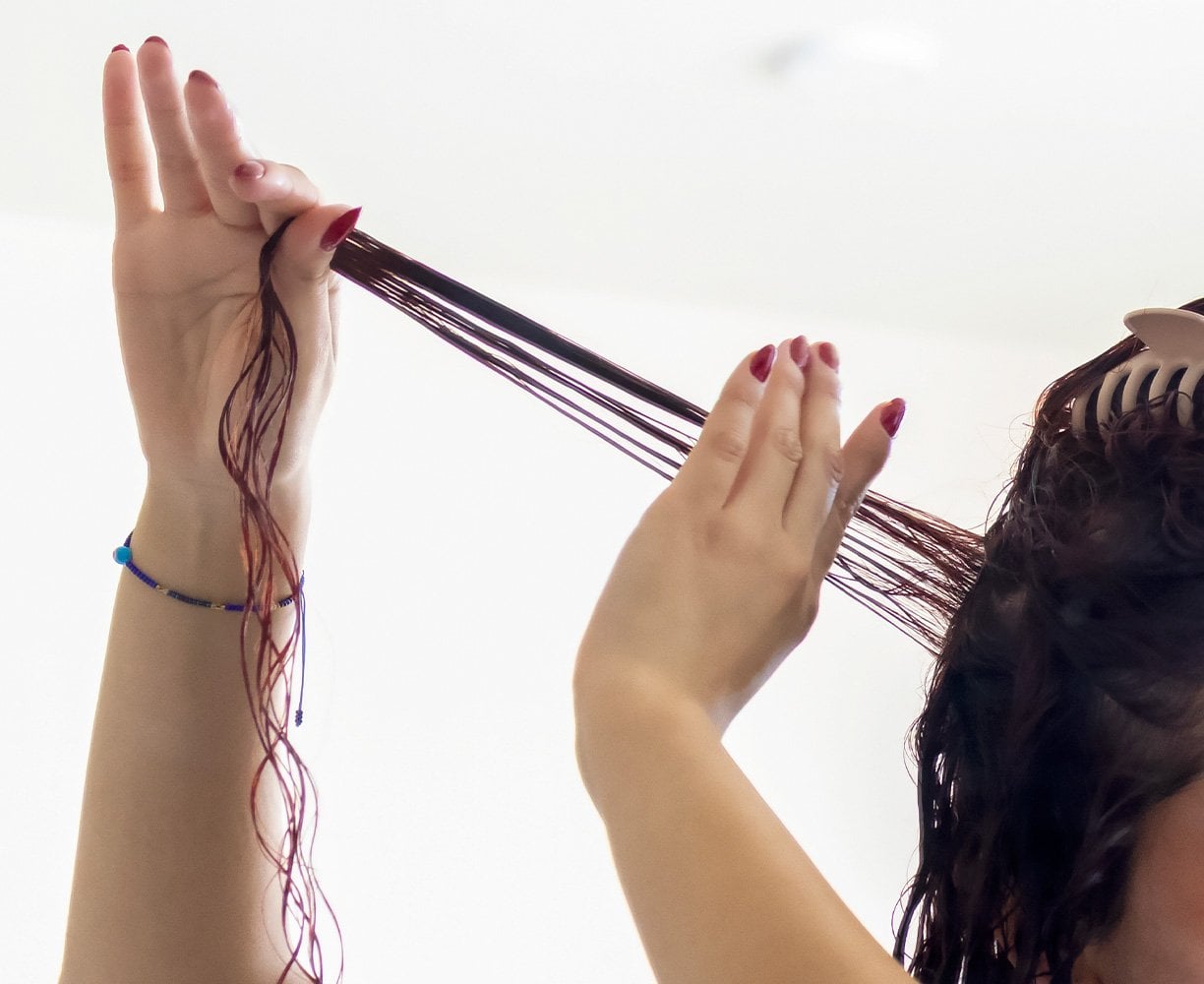
Mix a small quantity of bleach as directed, apply to a hidden strand, track processing at intervals, and note lift level and timing. Adjust developer strength or timing based on results.

Quick summary:

1. Prepare a tiny batch as directed.
2. Apply to strand.
3. Observe at regular intervals.
4. Rinse and assess color, feel, and any irritation after 24–48 hours.

Apply Bleach Properly for Consistent Results

Set up methodically to avoid hot spots and banding.

01
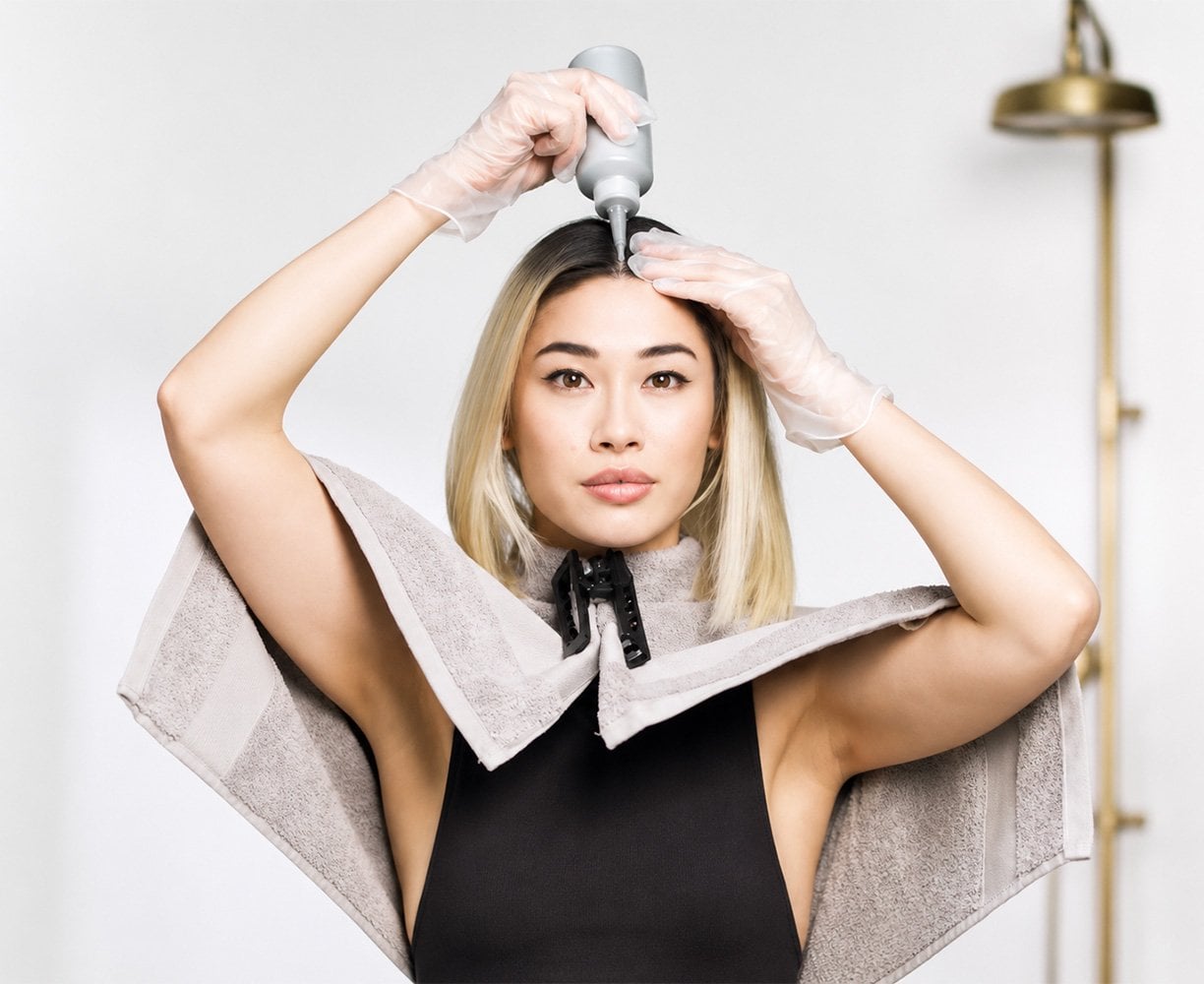
Step 1: Prep Hair (Clean & Dry)
Start with clean, dry hair for predictable lift. Most kits direct application on dry hair with gloves in a ventilated space (see manufacturer’s guidance on dry-hair application).
02
Step 2: Section Precisely
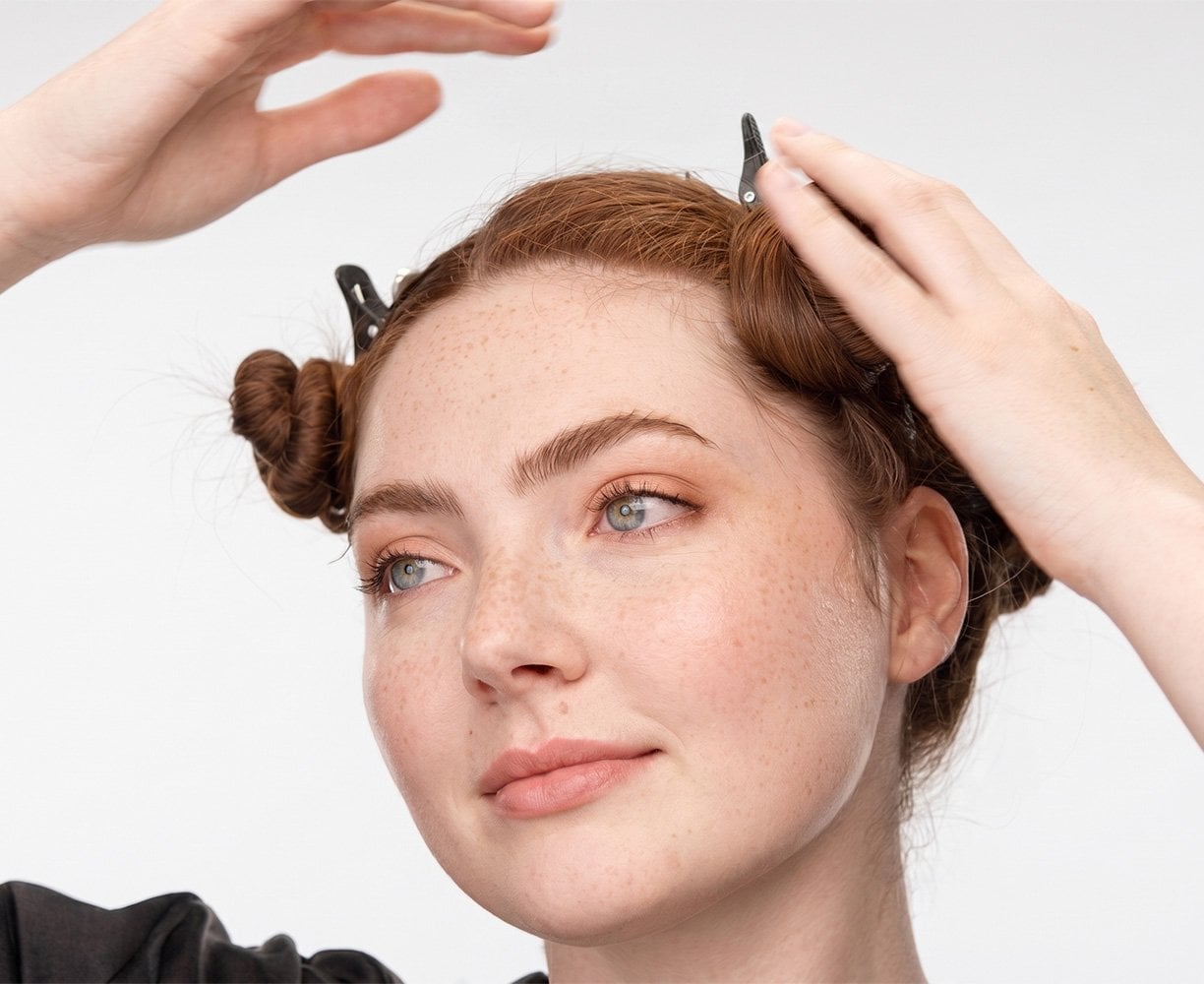
Section precisely (ear-to-ear, then into quadrants) and work in small, even subsections.
03
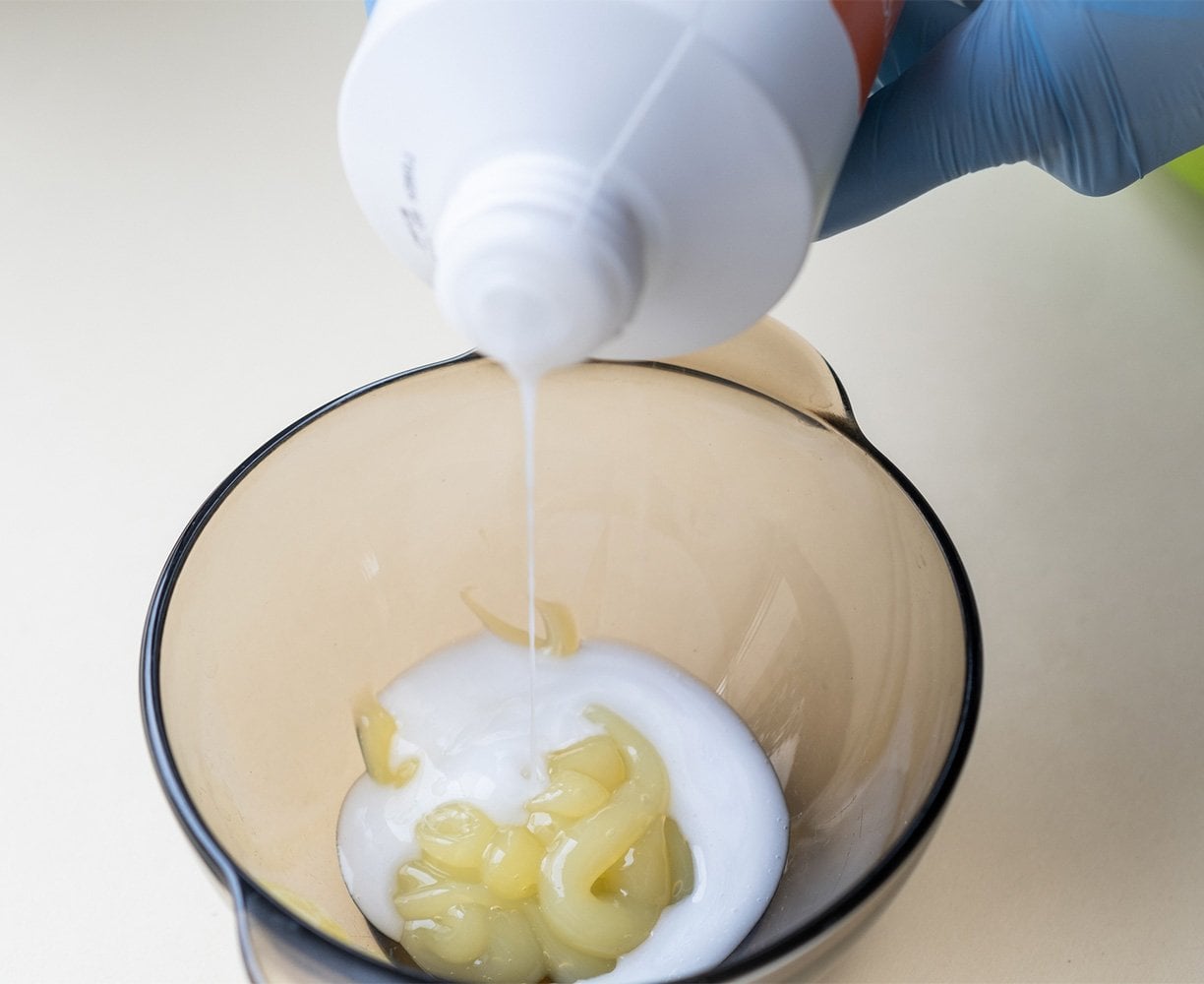
Step 3: Mix Product Exact
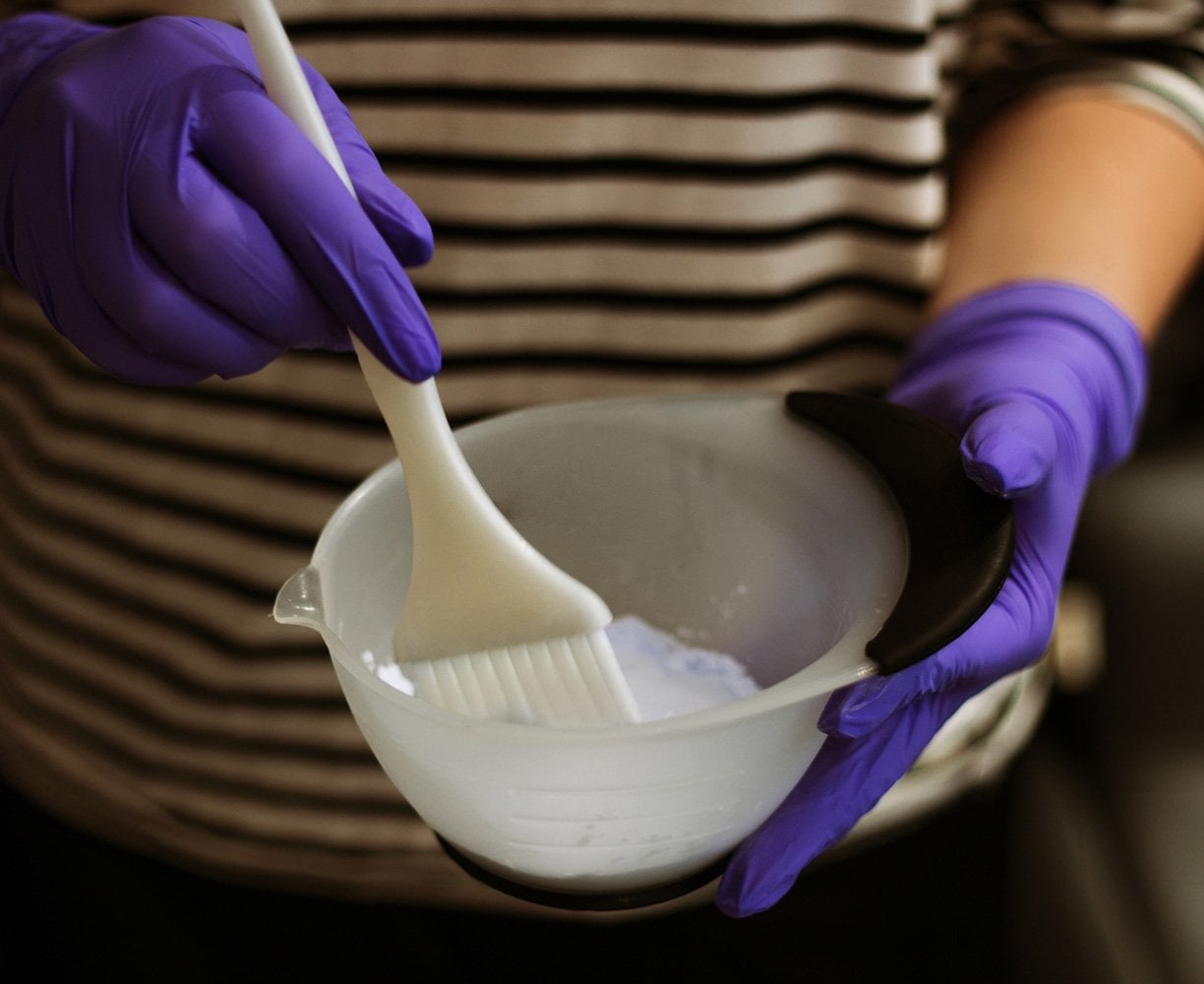
Mix exactly to label ratios; don’t eyeball it.
04
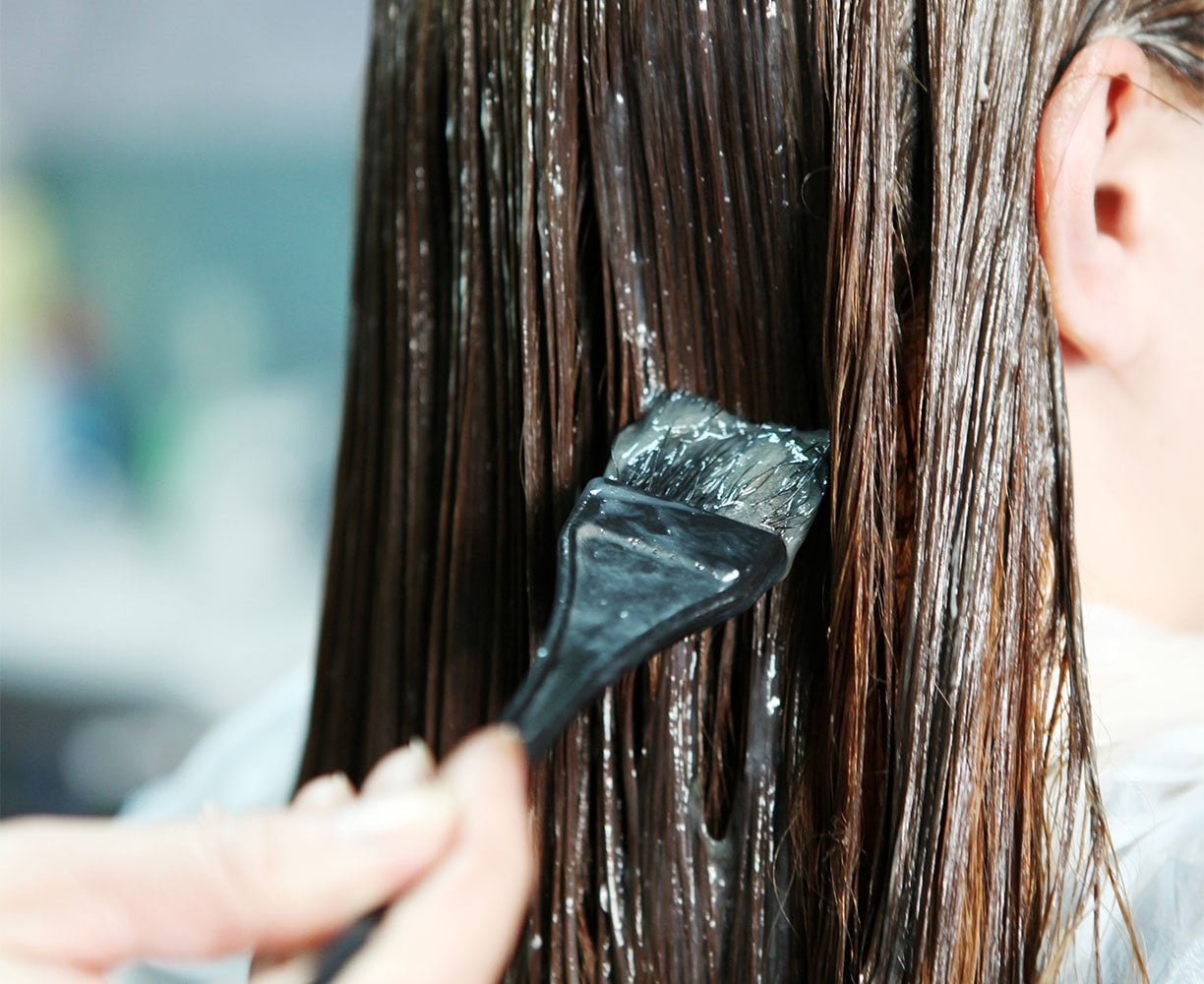
Step 4: Apply Mid-Lengths to Roots
Apply from mid-lengths to ends first, then roots last (body heat accelerates lift).
05
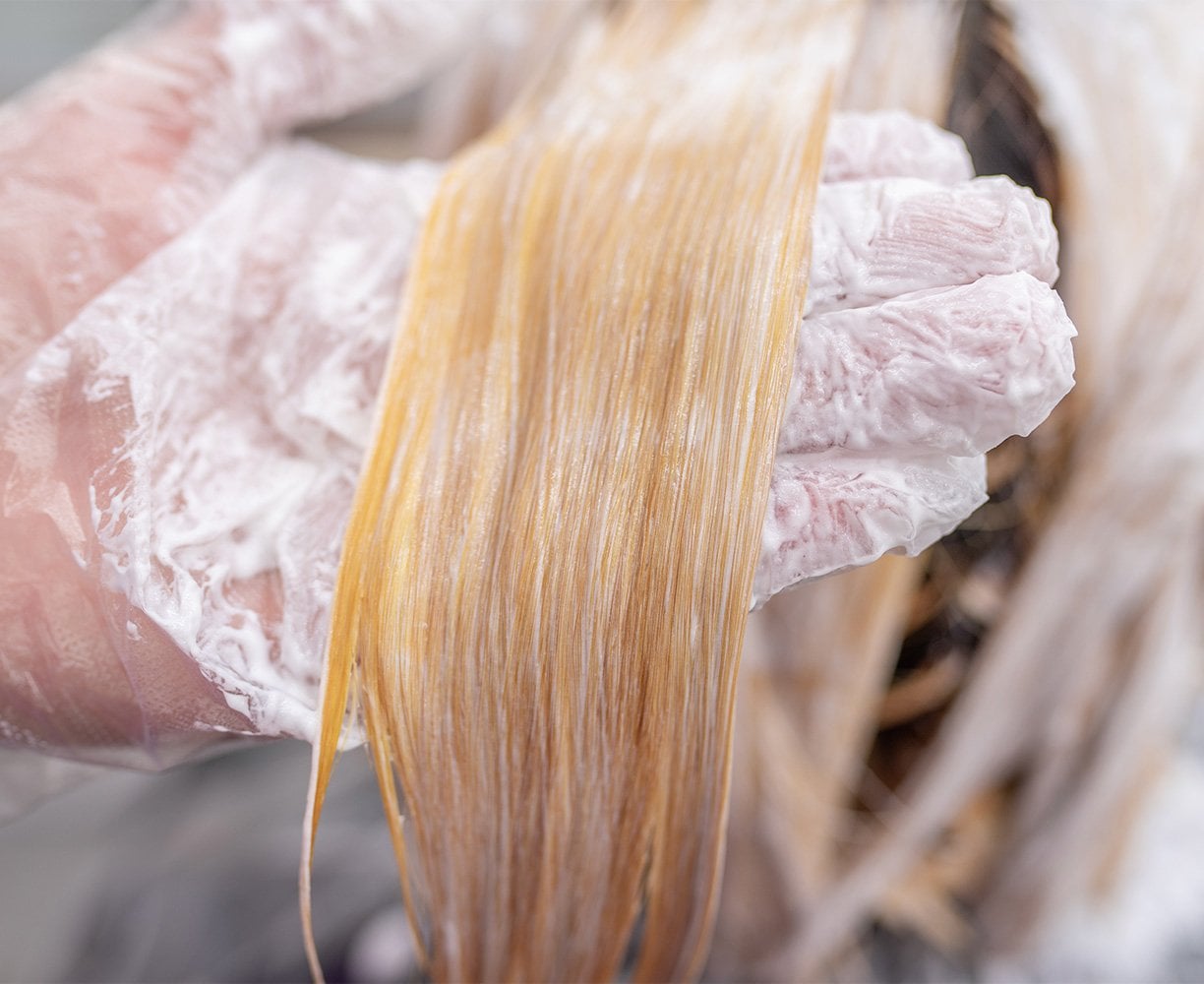
Step 5: Saturate Thoroughly
Saturate thoroughly: insufficient product distribution causes patchiness.
06
Step 6: Process and Check
Leave on for the exact time stated, checking frequently.
07
Step 7: Rinse to Target Undertone
Rinse well with lukewarm water when you reach the target undertone. Do not exceed the maximum time.

Follow with Neutralizing and Conditioning

Bleach is alkaline, so restoring pH and moisture is essential for color vibrancy and fiber integrity.

  • Rinse thoroughly, then use a neutralizer or pH-restoring conditioner to stop residual activity and rebalance. A neutralizer is a product that halts ongoing oxidation and brings hair closer to its natural pH.
  • Follow with a deep conditioner or bond-supporting mask to reduce dryness and help prevent future breakage.
  • If you plan a bold color next, ensure your hair feels strong and healthy before applying.
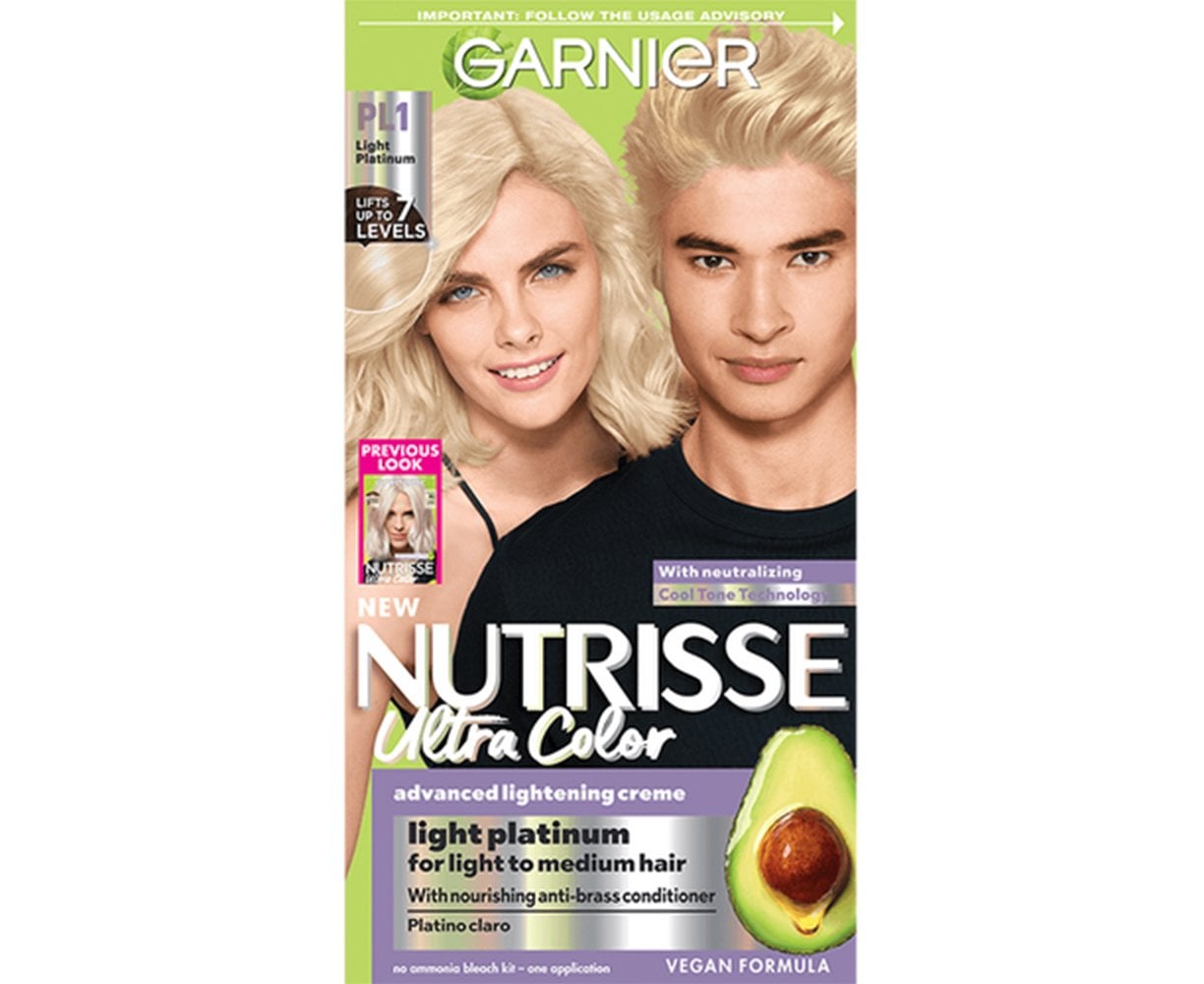
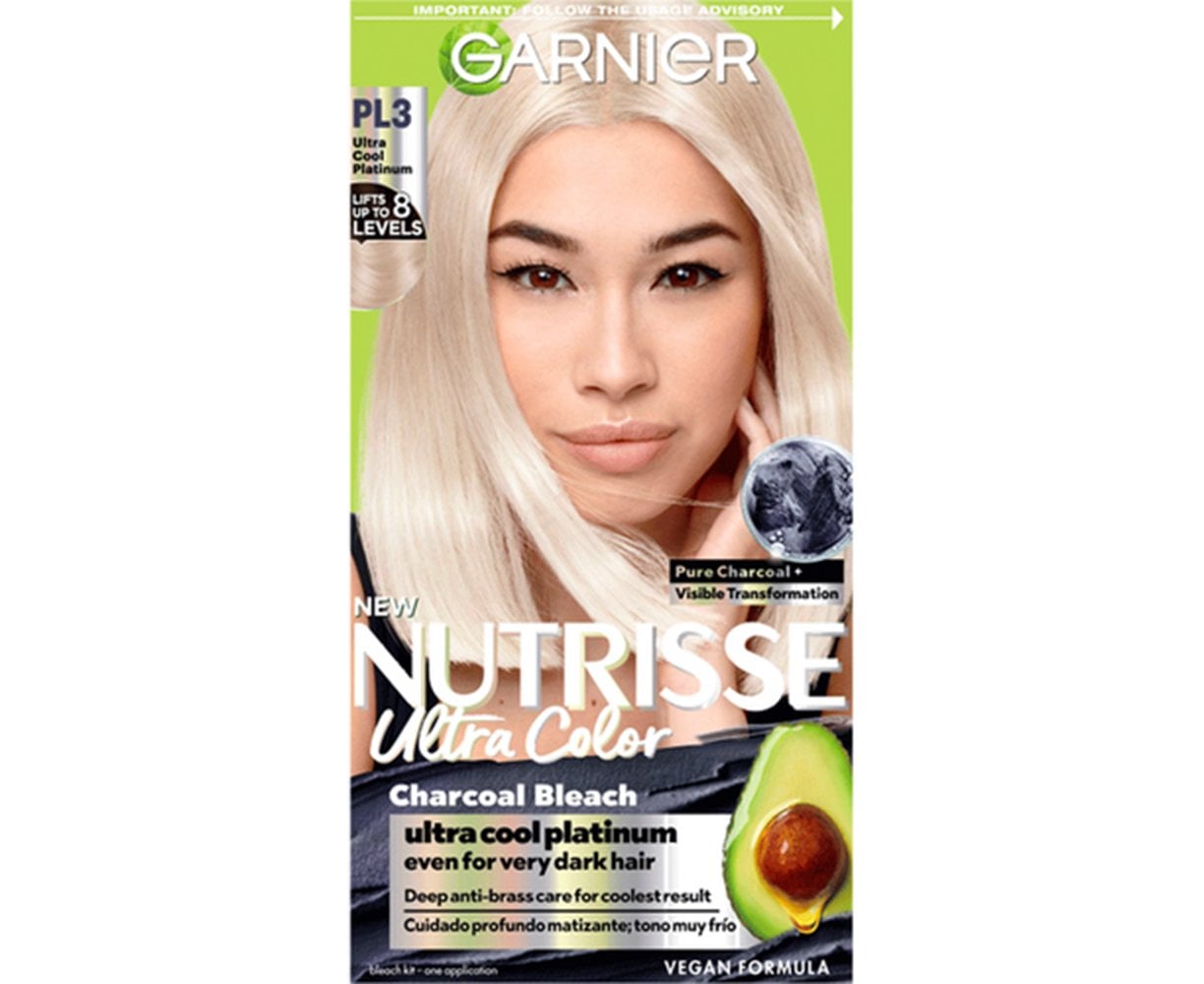
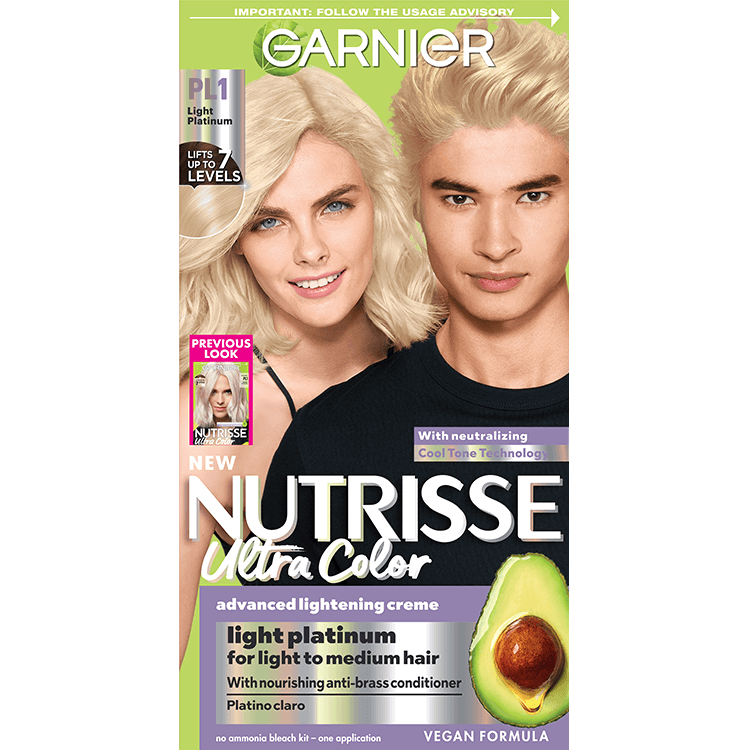
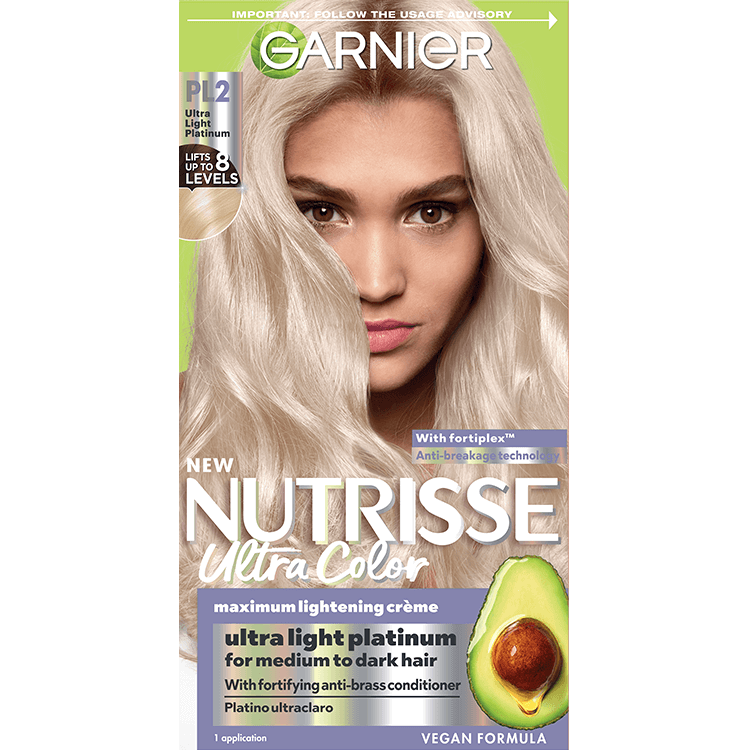
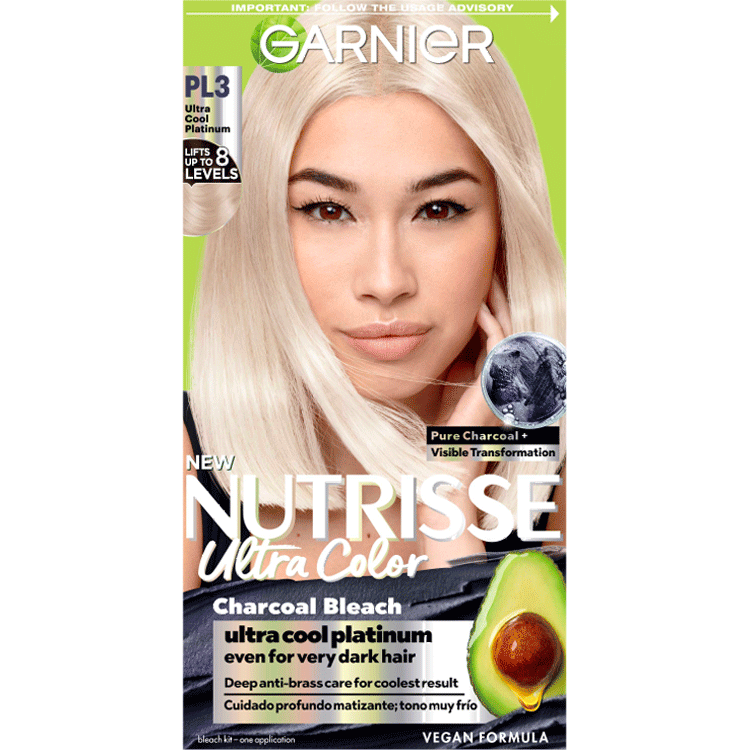
  • For post-bleach care, pair your lightening kit with a rich conditioner and weekly mask. If you need high lift, consider follow-up toning with options like Nutrisse Ultra Color PL1 Lightest Platinum or PL3 Charcoal Bleach Ultra Cool Platinum as part of a controlled, staged approach.
  • Promptly discard any leftover mixture; never store it.

Choosing proper post-bleach hair care will result in bold, even hair color - Garnier

FAQ

What makes a bleach safe for even and vibrant results?

A safe bleach uses appropriate concentrations, along with buffers or conditioners to moderate lift, helping to prevent hot spots, banding, and irritation.

How should I dilute bleach to avoid uneven lightening?

Mix exactly as directed so your hair isn’t diluted.

What safety precautions should I take when bleaching?

Wear gloves, ensure adequate ventilation, protect your eyes and skin, time the process carefully.

How do I know if bleach is compatible with my hair?

Perform a patch or strand test and wait 24–48 hours. Proceed only if there’s no irritation and the test area lifts.

Garnier Commits to Greener Beauty