How to use hair mask - Garnier How to use hair mask - Garnier

How to Use a Hair Mask: Benefits, Steps, and Tips

Between hot styling, coloring, blow drying, and exposure to the elements, your hair goes through a lot of stress that can cause serious damage. Thank goodness the hair fairies invented hair masks to help your locks weather every storm. So, here is your complete guide on what hair masks are, how to use a hair mask, all the benefits of hair masks, and how often to apply them for different types of hair. We can hear your hair clapping already!

What is a Hair Mask?

Unlike the conditioner you use in the shower, a hair mask or treatment is a high-octane hair quencher: a thick and intensely hydrating formula that contains nourishing oils, butters, and other hair-loving ingredients. Hair masks can be used for everything from dryness, frizz, and damage repair to color care and strengthening.

The Benefits of Hair Masks

Hair masks come in so many varieties! Just like face masks, hair masks are applied occasionally and given time to sink in to nurture your locks. They can be fortified with keratin or formulated with a moisture blast for extra dry hair. They all go above and beyond the products in your regular hair care routine, so the results can be dramatic in just a single use! Here are the main benefits of hair masks:

  • Lasting hydration that only hair masks can provide
  • Targeted ingredients that address specific hair concerns
  • Healthier hair that has extra shine and a softer texture
  • Restorative actions that bring hair back to life
  • Stronger locks that resist hair breakage
  • Nourishment that penetrates inside the hair shaft to repair damage
  • Heavenly scents that add aromatherapy to your selfcare ritual

Hair mask for dry hair - Garnier

How to Use a Hair Mask: Step-by-Step Instructions

There is no standard formula for how often to apply a hair mask because it heavily depends on your hair’s needs and the type of mask you choose. Severely dry hair may need a mask a few times a week, but once a week is better for oily or fine hair to avoid oversaturation. Seasonal conditions and chemical treatments can also determine the frequency. But regardless of when you apply a hair mask, follow these steps for best results.

How to Choose the Best Hair Mask for Your Hair Concern

One of the benefits of hair masks is that their formulas target specific hair issues. Hair that is dry, damaged, frizzy or very long has a lot of options, so let’s look at some of your choices.

Garnier Hair Masks for Damaged Hair

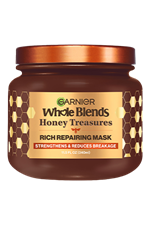
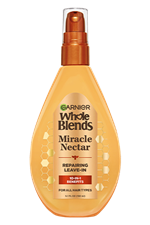
Damaged hair wants nourishment that strengthens and repairs, which is why keratin hair masks are so popular. Try a hair mask for hair damage like Honey Treasures Repairing Mask or a leave-in conditioner like 10-in-1 Miracle Nectar Leave-in Treatment. You can also combine them for extra hydration.

Hair Masks for Dry Hair

Parched hair seeks extra moisture, so look for hair masks and treatments with moisture-rich ingredients such as oils derived from coconut, argan, shea, papaya, banana, and/or avocado. A great hair mask for dry tresses is Whole Blends Repairing Mask Honey Treasures enriched with honey that hydrates and softens.

Hair Masks for Color-Treated Hair

Color-treated hair requires the extra care of nourishing, sulfate-free masks that fading, damage, and frizz. The harsher the color treatment (e.g., bleaching), the more you need a hair mask. Look into Hair Filler + Ceramide Color Repair Serum, the final step in Garnier’s hair bonding system for dyed hair.

Hair Mask FAQs

  • You should typically apply a hair mask after shampooing. This allows the ingredients to fully be absorbed by clean, damp hair. However, oil-based or pre-shampoo masks are formulated to be used before washing you hair. Read the label to determine when to apply your hair mask.
  • You do not usually need to apply conditioner after a hair mask because, as a deeper concentrated treatment, it provides all the moisture and conditioning benefits that a regular conditioner offers—and then some. That said, there are a few cases when a conditioner can be used after your hair mask:

    • Severely damaged or over-processed hair: Follow the hair mask with a light conditioner rinse for added moisture.
    • Curly/coily hair: Layer on a regular conditioner for added slip and moisture.

    For best results, always follow the instructions that come with the mask, especially for bond-repair and keratin masks.
  • Use these general guidelines on how long to leave in a hair mask:

    • Quick hair mask: 1-5 minutes
    • Deep moisture mask: 3-5 minutes
    • Intense repair mask: 5-10 minutes (sometimes longer)

    Be sure to follow the directions; leaving a mask on longer than directed does not necessarily boost the benefits and can sometimes lead to weighdown and/or buildup. The only exceptions are overnight masks that can stay on for several hours, and oil-based/pre-shampoo masks that may work better when left on longer. Be sure to rinse out all masks thoroughly.
  • How often you should use a hair mask depends on a few factors. Most hair masks are formulated for weekly use, but you can increase the frequency if your hair is experiencing periods of extreme dryness or damage due to sun exposure, swimming in chlorine, heat or chemical processing. Dry and cold winter conditions may also require more frequent hair masking.

    Here are some helpful guidelines for the frequency of hair masks:

    • Dry hair: 2-3 times per week for maximum hydration
    • Damaged or color-treated hair: 1-2 times per week to strengthen and repair
    • Fine or oily hair: Once a week (to avoid over-conditioning)

    If you’re trying to decide when to use a hair mask, start by applying it once a week after a shower instead of your regular conditioner. You can adjust the frequency to 2 or 3 times a week based on your hair type or for a moisture boost.
  • Whether you use a hair mask on wet or dry hair depends on the type of mask you’re using. Cream-based masks work best on damp, towel-dried hair because the moisture helps evenly distribute and absorb the ingredients. Applying a cream mask to dry hair would also require a lot more product to achieve similar results. On the other hand, oil-based and pre-shampoo hair masks get better results on dry hair because it helps deeply nourish and penetrate the cuticle.
  • The type of masks that help with frizz are formulated to be hydrating and smoothing. By adding extra doses of moisture, they help seal the cuticle and improve softness and manageability.
  • You can use a hair mask instead of your regular conditioner, especially when your hair is craving deep nourishment and hydration. But a daily conditioner may still be helpful for detangling and lightweight moisture.
  • Hair masks are almost always applied to the mid-lengths down to the ends where dryness and damage are most common. It’s best to avoid the roots unless the formula is lightweight or designed for scalp care.
  • The only type of hair mask that you should leave on overnight (or for several hours) is one specifically indicated for extended wear. But don’t leave standard rinse-out masks on for too long to avoid buildup or heaviness.
  • You should comb your hair after applying a hair mask to evenly distribute it and coat every hair for the best absorption. Gently run through your hair with a wide-tooth comb after applying the mask as you also detangle.

Garnier Commits to Greener Beauty