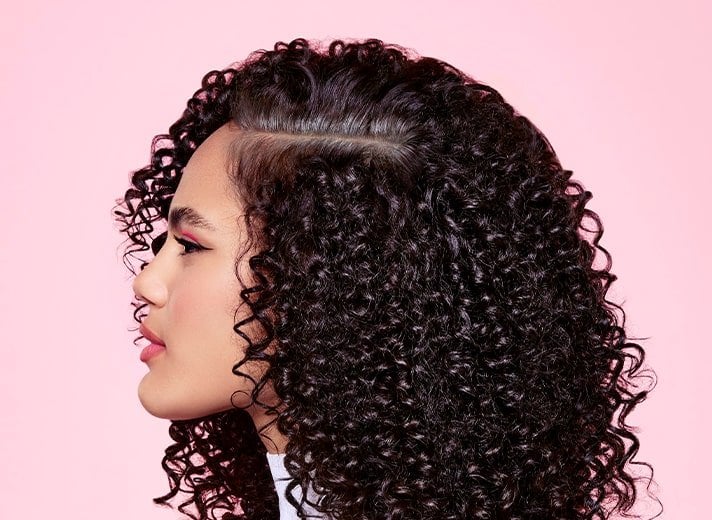
Shot of diverse group of models with burgundy, copper red, black, and blonde hair. Shot of diverse group of models with burgundy, copper red, black, and blonde hair.

The Ultimate Guide: How Often Should You Color Your Hair at Home?

The frequency with which you can color your hair depends on the type of color you're using—permanent, semi-permanent, or demi-permanent. Here's a quick breakdown to help you determine the right schedule for your needs:

• Permanent color: Root touch-ups every 4–6 weeks; full-length refresh every 6–8+ weeks to avoid overprocessing. Wait at least 4 weeks between applications.
• Demi-permanent: Every 4–6 weeks or as needed to refresh tone and shine.
• Semi-permanent: Every 1–2 weeks or after 6–10 shampoos; fades gradually with washing.
• Temporary colors/toners: As needed; many wash out in 1–2 shampoos.
• Lightening/bleach: Space retouches 6–8 weeks apart; avoid overlapping onto previously lightened hair.

Two fingers striking blue conditioner on freshly bleached hair.

Permanent Hair Color

All-Over Color: If you're coloring your entire head with permanent color, you'll typically need to touch up your roots every 4-6 weeks as they become visible. Follow the root touch-up instructions included with your hair color product to maintain a consistent, even color.

Special Effects (Bronde, Balayage, Sombre, Ombre): These techniques strategically place color away from the roots, creating a low-maintenance look that requires less frequent touch-ups. You'll typically only need to refresh the color every few months, often coinciding with a haircut or a desired change in look.

Semi-Permanent Hair Color

Semi-permanent color coats the hair shaft rather than penetrating it, resulting in a temporary color change that lasts for about 6-12 washes. You can apply semi-permanent color more frequently than permanent color, as it gradually washes out over time.

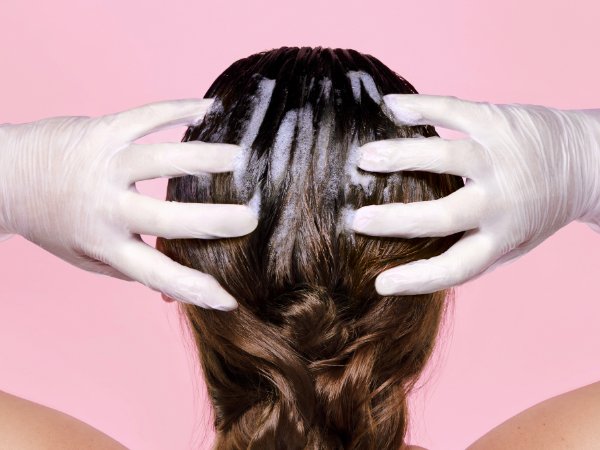
Gloved hands applying hair dye to the back of a brunette’s head.
Asian-Pacific model applying hair dye to the brown roots of her otherwise, platinum blonde short hair.

Demi-Permanent Hair Color

Demi-permanent color offers a longer-lasting result than semi-permanent color, typically lasting up to 24 washes. It uses a low-volume developer to deposit color without lightening your natural hair color. Like semi-permanent color, it can be used more frequently than permanent color.

Important Considerations

Hair Health: Regardless of the type of color you use, it's essential to maintain healthy hair practices to minimize damage. Use a color-safe shampoo and conditioner, deep condition regularly, and avoid excessive heat styling. Rinse with cool water to help seal the cuticle, use UV/heat protection, and apply a weekly hydrating mask to maintain softness and shine.

Patch & Strand Tests: Always perform a 48-hour patch test and a small strand test before coloring to check for sensitivities and preview results.

Avoid Overlap: When touching up roots with permanent color, keep product on new growth only; refresh mid-lengths/ends with a gloss or demi-permanent to reduce damage.

Professional vs. DIY: These timelines apply to both professional and at-home hair coloring. However, if you're making a significant change or have complex coloring needs, consulting a professional stylist is always recommended.

Shade Selector Quiz

Shade Selector Quiz

Take our quiz to discover the perfect Garnier hair shades for you!

Discover Hair Color Tips by Need

Recommended Products for Home Coloring

Nutrisse Ultra Crème 50 Medium Natural Brown: Nourishing permanent color with 100% gray coverage—ideal for natural-looking root touch-ups.

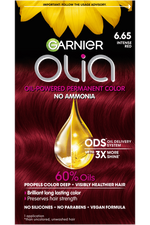
Olia 6.65 Intense Red: Ammonia-free, oil-powered permanent color that delivers bold, glossy red tones.

Nutrisse Ultra Crème 100 Extra Light Natural Blonde: Light blonde with natural tones; great for brightening and blending grays.

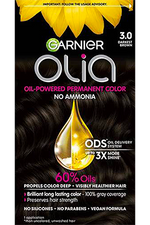
Olia 3.0 Darkest Brown: Deep, rich brunette with 100% gray coverage and a glossy finish.

At-Home Hair Color Frequently Asked Questions

  • How often can I color my hair with permanent dye?
  • How frequently can I use semi-permanent hair color?
  • What about demi-permanent color—how often is safe?