The Ultimate Guide to Micellar Water vs. Toners and Cleansers
Learn how toners, cleansers, and micellar water differ to choose the best one for your skin's needs.


Learn how toners, cleansers, and micellar water differ to choose the best one for your skin's needs.
A toner is a water-based skin-care product that cleanses and refreshes the skin, often used to rebalance and refine after cleansing. It preps the skin for subsequent products like serums and moisturizers, acting much like a primer in a makeup routine (learn more about what toner does from dermatology experts at Cleveland Clinic).

• Refreshes skin without stripping it of its natural moisture
• Gentle enough for most skin types
• Prepares skin to drink up post-cleansing moisturizer
• Toners can contain alcohol, which might affect those with sensitive skin
• If used too regularly, it can cause skin irritation, dryness, and redness
While toners can be beneficial for many, they aren't essential for everyone. In fact, if you experience occasional irritation after cleansing, your toner might be the culprit. It's important to listen to your skin and adjust your routine accordingly. If you have sensitive skin, opt for alcohol-free, hydrating toners and patch test first.
A cleanser is a skincare product designed to remove dirt, oil, makeup, pollution, and other impurities from the skin's surface. Think of it as the foundation of any good skincare routine! For proper technique (including water temperature and timing), see AAD guidance on how to wash your face.
• Clears any buildup like makeup, sunscreen, oil, and impurities for healthier and smoother skin
• By sweeping away dead surface skin cells, it ensures more radiant-looking skin
• Cleansers are available for a variety of skin types
• Some facial cleansers can be too harsh or stripping, which can break down your skin’s natural protective barrier (Cleveland Clinic on skin barrier)
• Can be too drying on skin
• Contains more surfactants, require rinsing, and can strip natural oils

Cleansers should definitely be a part of your daily skincare routine. Just make sure you find one that’s not too harsh or drying on your skin. If you wear long-wear makeup or water-resistant sunscreen, consider double cleansing—start with micellar water or an oil-based remover, then follow with a gentle gel or cream cleanser.
Micellar water has become a popular skincare product, praised for its versatility and no-rinse formula. However, questions remain about its exact role in a skincare routine. Is it a toner? A cleanser? Or something else entirely? Let's explore the benefits and uses of micellar water to understand its place in your skincare regimen.
Both! It’s also a makeup remover, and so much more. In fact, Garnier micellar cleansing waters address individual skincare needs with powerful ingredients like salicylic acid, hyaluronic acid, and vitamin C.
• Garnier Micellar Cleansing Water All-in-1: Removes makeup, cleanses, and refreshes skin without rinsing; suitable for all skin types, even sensitive.
• Garnier Micellar Cleansing Water All-in-1 Waterproof: Lifts away long-wear and waterproof makeup while cleansing.
• Garnier Micellar Cleansing Water With Hyaluronic Acid + Aloe: Replumps and hydrates while removing makeup and impurities.
• Garnier Micellar Cleansing Water All-in-1 Purifying with Salicylic Acid: Gently cleanses and mattifies; ideal for oily and acne-prone skin.
• Garnier Micellar Cleansing Water With Vitamin C: Cleanses, removes makeup, and boosts glow to reduce the look of dullness.
• Garnier Water Rose Micellar Cleansing Water: Cleanses, removes makeup, and hydrates without harsh rubbing or rinsing.

• You can use micellar water as a cleanser, makeup remover, and toner
• ItIt’s gentle on skin and can replace makeup removers that require harsh rubbing
• Micellar water can also act as a skin refresher
• You won't be reaching for single-function products in your skincare routine anymore
To apply micellar water while being environmentally conscious, opt for reusable eco-pads instead of disposable applicators. This helps reduce waste and is a more sustainable choice (EPA tips on reducing waste). Use micellar water in the morning as a gentle skin refresher and at night to remove makeup and sunscreen; if you wear heavy or long-wear products, follow with a water-based cleanser as part of a double cleanse.
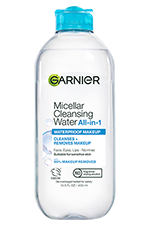
• What it is: A bi-phase micellar cleansing water all in 1 that gently yet effectively removes makeup and cleanses.
• Who it’s for: All skin types, including sensitive.
• What it removes: Waterproof makeup, long-wear lipstick, waterproof mascara, dirt, and oil.
• No-rinse: Yes—no harsh rubbing required.
• Free-from: Oil-free, alcohol-free, fragrance-free.
• Sizes: 3.4 fl oz TSA-friendly travel size, 13.5 fl oz everyday, 23.7 fl oz value size.
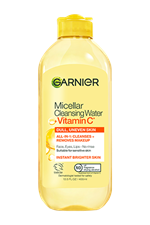
Vitamin C micellar water is a no-rinse micellar water cleanser that removes everyday makeup while helping brighten dull skin for a more radiant look.
• What it does: Cleanses, removes makeup, and brightens the look of dull skin (everyday makeup; not waterproof)
• Who it’s for: Dull/uneven tone, oily/acne-prone, sensitive, and dry skin
• Micellar water benefits: No rinse, no residue, gentle on skin
• What’s inside/free of: With Vitamin C (Ascorbyl Glucoside); fragrance-, oil-, and alcohol-free
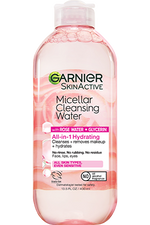
• Skin type: All (including sensitive)
• Removes: Face, lips, eyes
• No-rinse
• Oil-free, alcohol-free, fragrance-free
• Vegan
• Dermatologist tested
• Sizes: 13.5 fl oz, 23.7 fl oz
• Also available: travel size micellar water
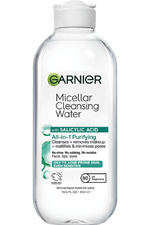
• What it is: Micellar water cleanser with salicylic acid
• Skin type: Oily, acne-prone
• What it does: Removes makeup and sunscreen, helps minimize the look of pores
• How to use: No-rinse; suitable for all skin types
• Key ingredients: Salicylic acid, glycerin
• Size(s): 13.5 fl oz
• Claims: Cruelty-free/vegan; fragrance‑free*; oil-free
*No added fragrance.
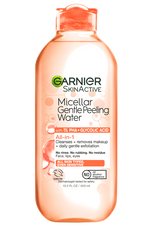
• What it is: No-rinse micellar cleanser with 1% PHA + glycolic acid
• What it does: Cleanses, removes makeup, and provides a gentle daily peel
• Who it’s for: All skin types, even sensitive
• How to use: Saturate pad, press, swipe—no rinse
• Safety note: AHAs can increase sun sensitivity; use SPF daily
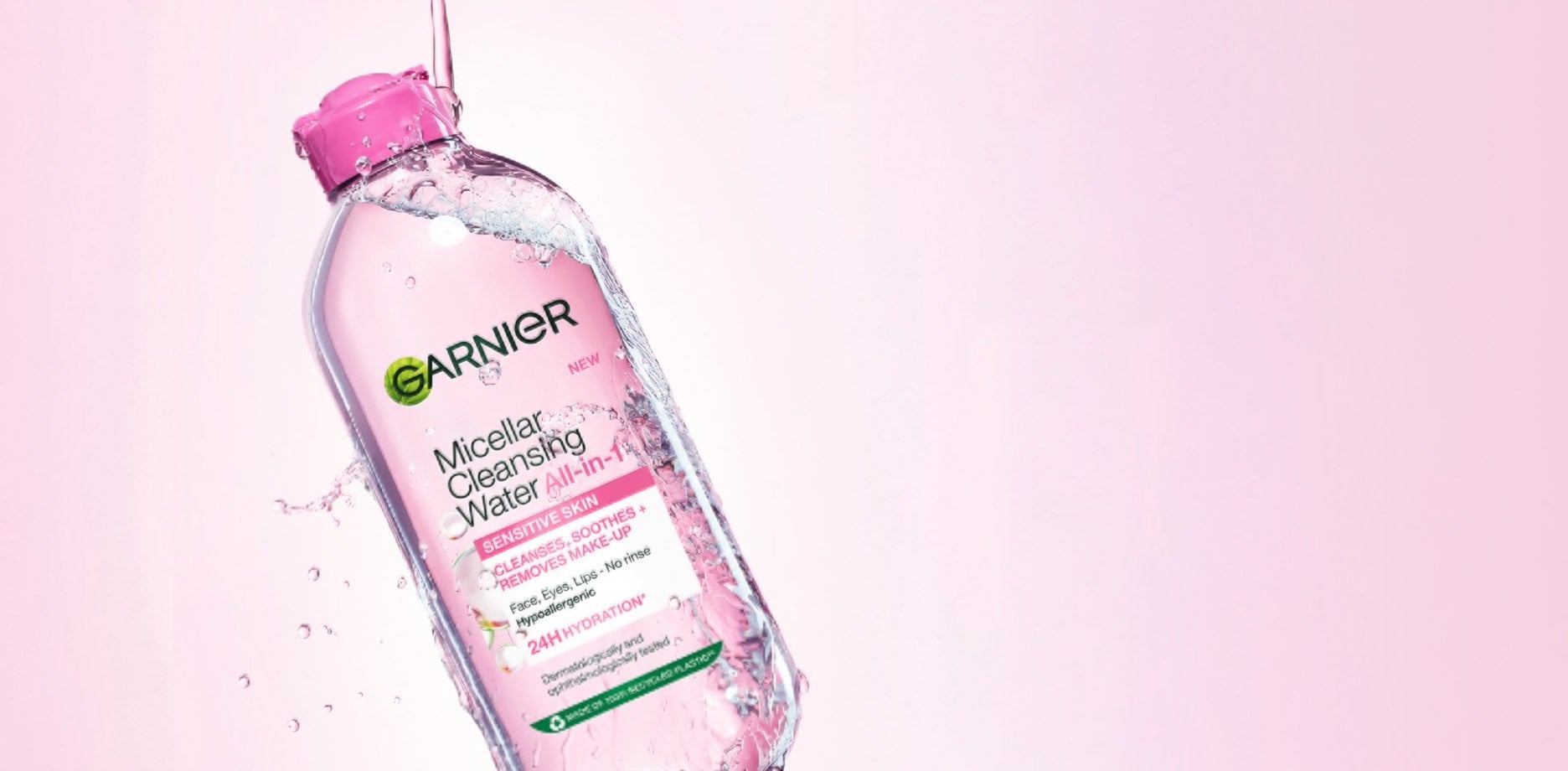
Discover the French beauty secret for clear skin. We are answering your top questions about micellar water.
READ MORE
We’re looking at a few easy ways to get all of your skin care needs with a short list of cleansers, scrubs and moisturizers.
READ MORE
The ABCs of cleansers so you can easily navigate the complex and ever-changing skin care aisle.
READ MORE


