Blackhead skin care routine - Garnier Blackhead skin care routine - Garnier

What Are Blackheads?

Blackheads are a very common type of non-inflammatory acne. They form when hair follicles get clogged with oil and impurities. Unlike pimples, they don’t cause redness or swelling because they are not infected. But since the pores are blocked, they appear enlarged and remain exposed to the air, and the oil and dirt trapped inside oxidizes. The result? Small, dark bumps that mainly appear on the nose, chin, forehead, and cheeks, dulling the complexion and leaving the skin rough.

What Causes Blackheads?

In treating and preventing blackheads, it is essential to understand what causes them to appear. In particular, the skin might simply be producing too much oil, known as sebum. Dead skin cells can build up, blocking the pores. And environmental factors – such as dirt, pollution, and sweat – only make matters worse.

Sebum production can go into overdrive because of hormonal changes, which you can’t always control. But you can take charge of other contributing factors, such as taking good care of your skin and avoiding certain cosmetic products.

How Do Blackheads Differ from Other Acne Types?

Blackheads are one form of acne, but there are other types, including whiteheads, pimples, and cystic acne. They differ in the ways they form and appear, as well as in severity:

01
Blackheads:
Open pores clogged with oil, dead skin cells, and dirt. These impurities oxidize when exposed to the air and turn dark.
02
Whiteheads:
Closed pores clogged with oil and dead skin cells. The pore stays sealed, preventing oxidation, causing a white or flesh-colored blemish.
03
Pimples:
Pores are clogged with oil, dead skin, and bacteria, and become inflamed, resulting in red, swollen bumps.
04
Cystic Acne:
Deeper, more painful cysts that form when clogged pores become infected and inflamed. These are larger, often tender, and can lead to scarring.

Blackheads may be non-inflammatory, but they can lead to more severe acne issues if they are not treated properly.

Essential Skin Care Routine for Blackheads

Ready to come clean? Follow our guide to get rid of those blackheads and clear the way for a fresh, radiant complexion!

01
Daily Cleansing with Salicylic Acid
Cleansing is a skin care essential that breaks down oil and helps unclog the pores. The best cleanser for blackheads is a salicylic acid-based cleanser.

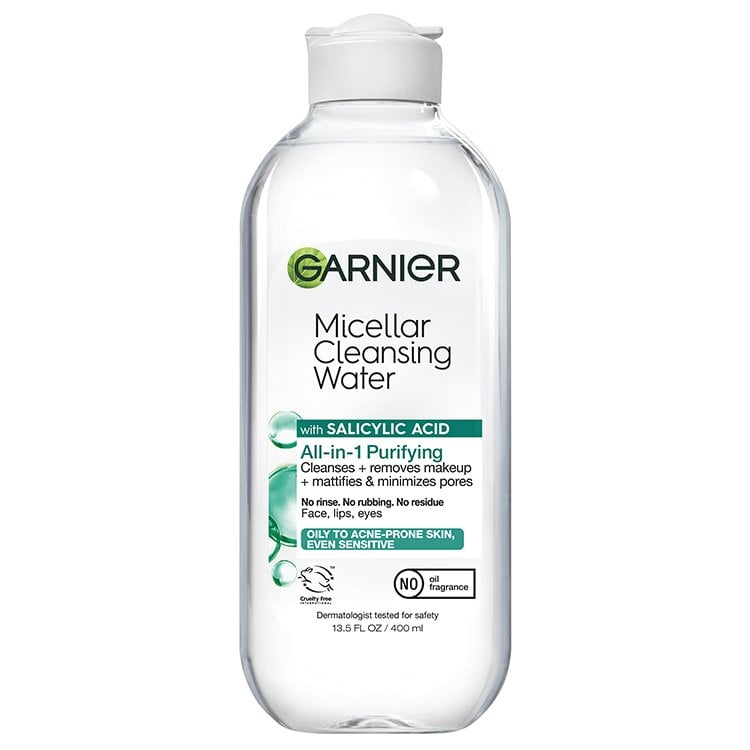
Choose a formula suitable for daily use. Purifying micellar water thoroughly removes makeup and other impurities while being gentle on the skin. Simply soak a cotton pad with the formula and cleanse the skin each day; or use it twice a day if you have oily skin.
02
Regular Exfoliation: Unclogging Pores Effectively
To clear the pores and prevent them from becoming clogged, it is recommended to exfoliate two to three times a week.  Regular exfoliation smooths the skin by sloughing off dead skin cells, smoothing the skin, and promoting the development of fresh new cells. It also prepares the skin to better absorb other products in your skin care routine. But what is the best exfoliator for blackheads?  

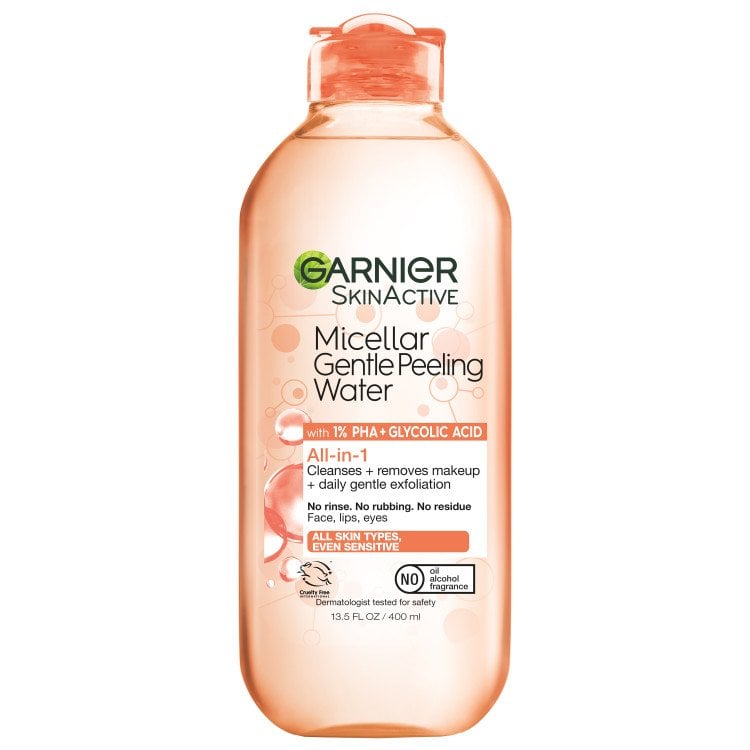
Among the products available are chemical exfoliants containing salicylic acid or glycolic acid and physical exfoliants which mechanically slough the skin. Glycolic acid is water-soluble, and while it can smooth the surface of the skin, it is not very effective on blackheads. Likewise, physical exfoliants create friction that polish the skin, but they do not get into the pores to release impurities. The best option is an exfoliant containing salicylic acid. This ingredient is oil-soluble, so it penetrates deep into the pores to break down the oils and dead skin cells that cause blackheads.
03
Targeted Treatments: Addressing Stubborn Blackheads
Stubborn blackheads may require the use of other treatments to keep pores clear in the long term. Over-the-counter products include retinoids, benzoyl peroxide, and clay masks.

When using a formula containing retinoids or benzoyl peroxide, start with a lower concentration and apply a small amount to the area two to three times a week in addition to your regular skin care routine for blackheads. Use these products in the evening and leave them on the skin. If you’re using a clay mask, apply a thin layer once or twice a week, leave it on for 10-15 minutes, and rinse with warm water.
04
Deep Cleansing with a Face Mask
To deeply cleanse the skin once or twice a week, try a mask specially formulated for blackhead removal. In addition to charcoal and clay masks, peel-off masks can be particularly effective.

A charcoal mask absorbs dirt, oil and residue, and is best for oily skin. Bentonite and kaolin clay are other options for deep-cleaning and refining the pores, and both are well-adapted to combination and oily skin. 

To deal with minor blackheads, you might opt for a peel-off mask. Apply the product once a week in a thin layer, allow it to dry, and then peel it off, lifting dead skin cells, dirt, and blackheads from the skin. This is a satisfying way to instantly smooth the skin and remove impurities in a simple step.
05
Using the Right Moisturizer
There is a common misconception that oily or acne-prone skin does not need moisturizer, but nothing could be further from the truth! After cleansing and treating the pores, it is essential to hydrate the skin. Protecting the skin’s natural moisture barrier can actually reduce the excess sebum production that contributes to blackheads. 

It is important to choose your moisturizing cream carefully, since it should be non-comedogenic and lightweight. The idea is to seal in moisture without clogging the pores. Look no further, these refreshing gel creams have you covered! Choose the formula according to your skin type.
06
Sun Protection: An Overlooked Necessity
Using a sunscreen is important to prevent sun damage in all types of skin. But did you know that it can also prevent excessive oil from forming? That’s because the sun can trigger sebum production. Moreover, sun exposure can darken the spots where blackheads used to be. It can also weaken the skin barrier, leading the pores to become blocked again.

Choose an oil-free, non-comedogenic sunscreen that won’t clog the pores. Apply it daily, and several times a day if you are outside or sweating.
Lifestyle Factors Influencing Blackhead Development
01
Diet and its Impact on Skin Health
A balanced diet is essential in promoting your skin’s health, and certain foods can contribute to acne breakouts, including blackheads. Sugar-rich foods such as white bread, pastries, and sodas cause the blood sugar to spike, which stimulates excess sebum production and promotes inflammation. Dairy products may influence hormone levels… Food for thought when reaching for a snack!

The good news is that foods that help prevent blackheads are good for your overall health, because they are rich in antioxidants, omega-3 fatty acids, and vitamins. These include berries, green tea, dark leafy greens, salmon, walnuts, sweet potatoes, carrots, and pumpkin seeds.

Overall, opt for whole grains rather than processed carbs, and choose plant-based options over dairy products. You might also include probiotic foods such as yogurt and kombucha to support your gut health, which fosters clear skin. And remember to stay hydrated by drinking lots of water!

02
Stress Management for Clear Skin
Stress causes the body to produce more cortisol, which stimulates the oil glands and leads to excess sebum production, clogging pores and contributing to blackheads. Stress also triggers inflammation and weakens the skin’s barrier, making it more prone to breakouts.

You can’t always avoid stress, but relaxation techniques – such as meditation, deep breathing, and yoga – can help you manage it.
Just as it is a good habit to cleanse, exfoliate, moisturize, and protect the skin from the sun daily, try some of these mindful practices, even during high-stress periods, and you’ll see the difference in your skin.
03
Importance of Regular Exercise and Adequate Sleep
Regular physical activity releases endorphins, which reduce stress and its impact on your skin. Exercise also boosts circulation and helps the skin detoxify from the inside. Running, walking, and dancing are all easy ways to get moving, and they don’t require any special equipment. After your workout, remember to cleanse the skin as soon as possible and then apply your moisturizer. 

Last but not least, remember to get enough sleep! A lack of sleep can raise cortisol levels, increasing oil production, triggering inflammation, and slowing cell renewal. Some practical tips are to stick to a regular sleep schedule and to limit screen time before bed, since the blue light from your screen disrupts your body’s production of melatonin, the sleep hormone.

Skin Care Routine for Blackheads – FAQ

  • How to Get Rid of Blackheads Safely?
  • What Clears Blackheads Fast?
  • Can Skin Care Remove Blackheads Completely?

Garnier Commits to Greener Beauty