How to choose the right shampoo for your hair type - Garnier How to choose the right shampoo for your hair type - Garnier

How to Choose the Right Shampoo for Your Scalp and Hair Needs

Most of us are used to choosing a shampoo based on hair type. But it’s now common to take it a few steps further by matching hair cleansing formulas to suit our scalp, and then fine-tuning for hair texture and maybe other concerns. For example, scalps can be oily, dry, sensitive, dandruff-prone, or a combination. Certain ingredients can also help achieve lightweight volumizing effects for fine, oily roots or offer rich, moisturizing blends for dry, coily hair. Then there are issues like dandruff, color care, frizz, and hair fall to consider. This guide simplifies what to look for in a shampoo, how to apply it for optimal results, and when to adjust your routine.

Understand Your Scalp Type and Hair Concerns

Your scalp type should guide your shampoo selection before considering length, style, or even curl pattern. Choosing for the scalp helps balance oil, soothe dryness, and set the foundation for healthier hair over time.

Choose the best shampoo for your hair and scalp needs - Garnier

Quick identifiers:

  • Oily scalp: Looks shiny at the roots by day’s end, may need frequent washing, flakes (if present) can look clumped
  • Dry scalp: Feels tight and itchy, flakes easily, and hair may appear dull
  • Sensitive scalp: Prone to redness, stinging, or itching after washing or styling
  • Dandruff-prone: Persistent flaking with an itch, may require medicated products
  • Combination: Oily roots with dry lengths/ends

Scalp health is dynamic: hormones, genetics, stress, climate, and products all influence oil production, hydration, and reactivity. Reassess seasonally and after life changes.

Identify Key Ingredients for Your Hair Needs

Understanding labels makes choosing simpler:

  • Surfactants (cleansers) lift oil, dirt, and buildup. They come in a wide range of strengths like strong anionic sulfates that cleanse deeply, gentle amphoteric agents, and mild anionic surfactants.
  • Humectants draw water to the hair and scalp (e.g., glycerin and panthenol).
  • Conditioning agents smooth and reduce friction (e.g., amino acids, lightweight silicones, quats, and plant oils such as argan or coconut).
  • Medicated products are targeted solutions for clinical concerns.

How to choose the right shampoo for your hair type - Garnier
Match your hair concerns to proven actives - Garnier

Match concerns to proven actives:

  • Dandruff and flaking: zinc pyrithione, salicylic acid, and ketoconazole help reduce yeast and scale.
  • Moisture and softness: glycerin, panthenol, and nourishing oils replenish hydration.
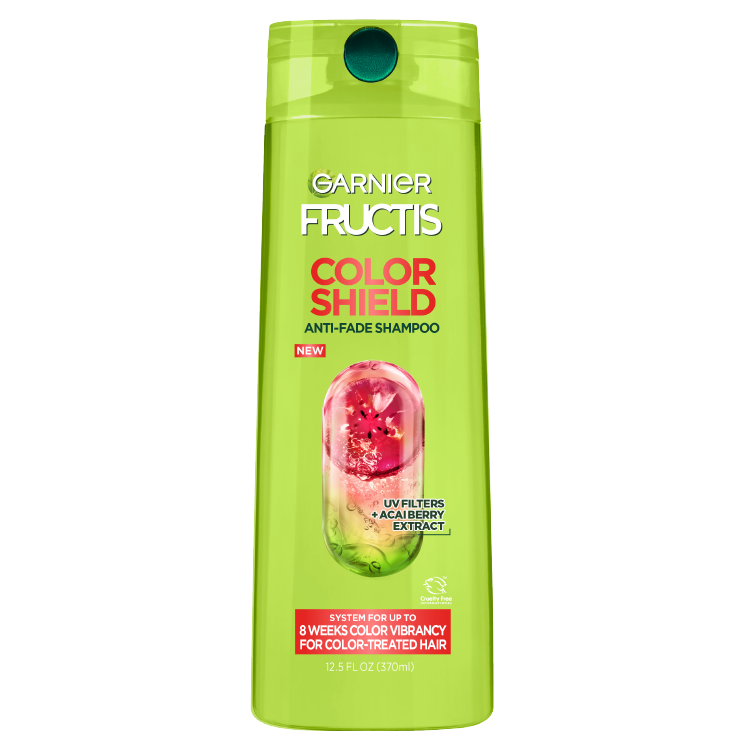
  • Color protection: Sulfate-free systems help minimize dye washout.

If your scalp is dry or sensitive, avoid frequent use of strong sulfates. Choose shampoos built around gentler surfactants (e.g., cocamidopropyl betaine [CAPB] or sodium cocoyl isethionate [SCI]) and soothing humectants.

Match Shampoo Formulas to Hair Texture and Scalp Condition
01
Volumizing/Lightweight Shampoo
A lightweight cleanser contains polymers and proteins that lift roots without adding heaviness or residue to keep roots airy.
Hair texture: Fine or flat hair
Scalp condition: Oily roots
02
Balancing/Oil-control Shampoo
Gentle surfactants and sebum-modulating agents cleanse without over-stripping. Pair with light conditioner on the ends only.
Hair texture: Oily hair
Scalp condition: Oily or combination scalps
03
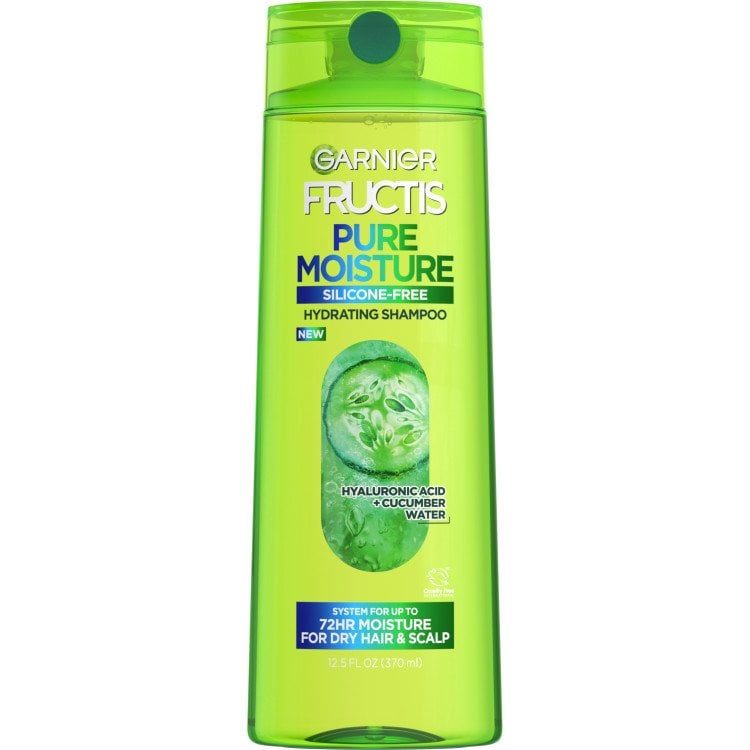
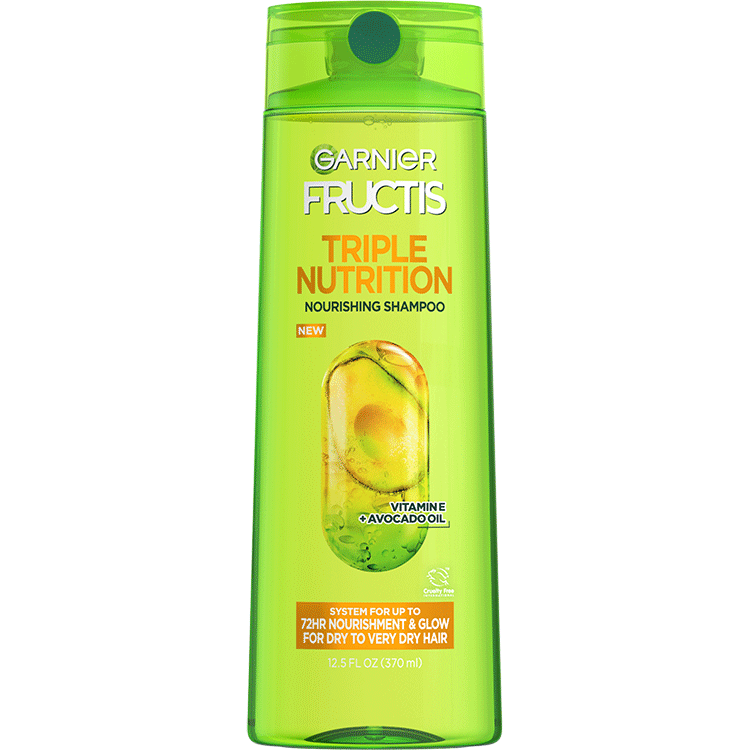
Moisturizing/Hydrating Shampoo
Humectants and oils reduce frizz and increase slip, but may weigh down very fine hair. Look for coconut-derived surfactants and nourishing oils to cleanse while cushioning the cuticle.
Hair texture: Dry lengths, kinky, coily, and very dry hair
Scalp condition: Dry/combination scalp
04
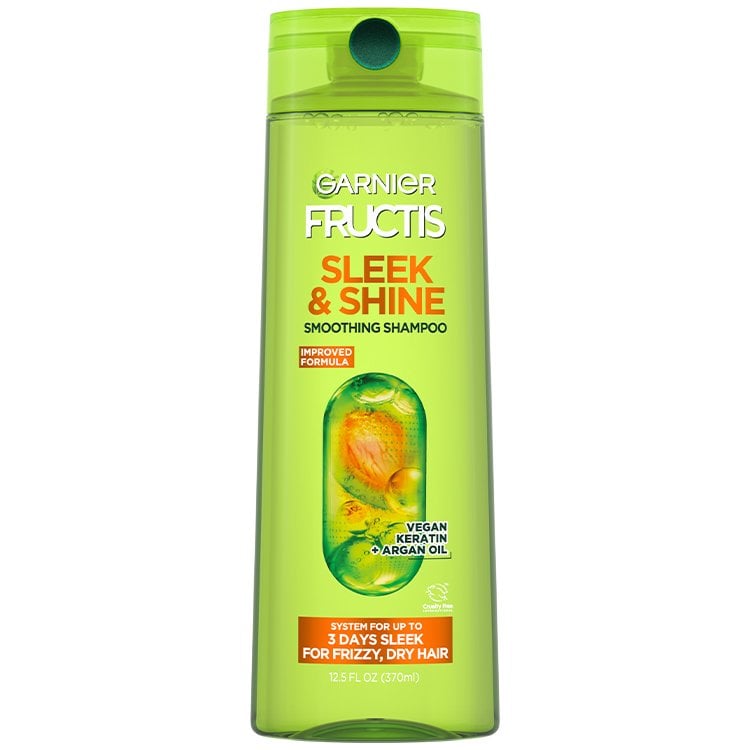
Smoothing/Anti-frizz Shampoo
Cuticle-smoothing agents reduce puff and halo frizz. Choose a silicone-light version for buildup control.
Hair texture: Dry, frizzy, porous hair
Scalp condition: Dry
05
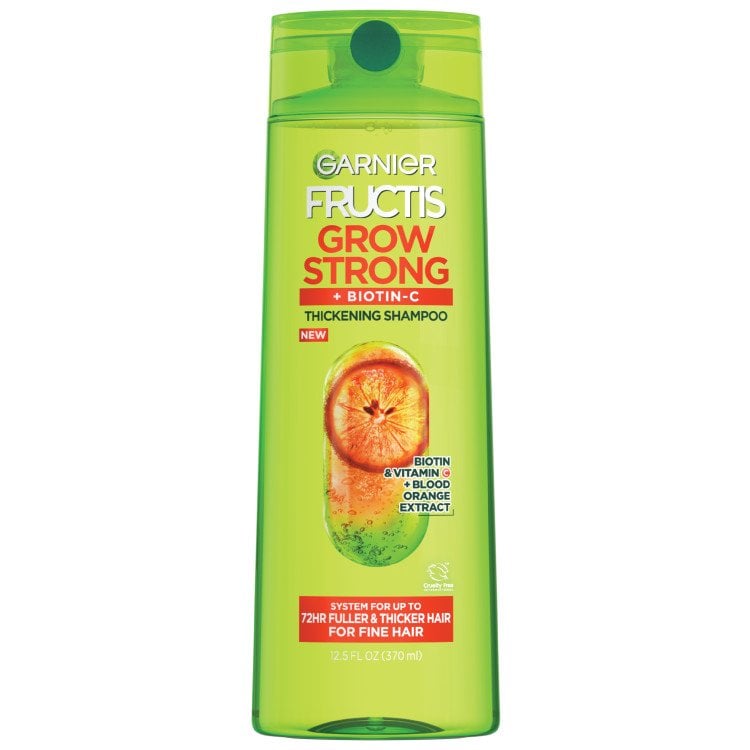
Strengthening/Anti-breakage Shampoo
Proteins, amino acids, and ceramide-mimics reinforce the hair fiber. Supports breakage-related hair fall, but not a cure for medical hair loss.
Hair texture: Weak, brittle, or shedding from breakage
Scalp condition: Dry or scaly
06
Dandruff/Medicated Shampoo
Actives like zinc pyrithione, salicylic acid, ketoconazole target the causes. Alternate with a gentle daily shampoo.
Hair texture: All
Scalp condition: Persistent flakes and itching
07
Sulfate-free/Color-safe Shampoo
Milder surfactant systems help maintain color vibrancy. Lathers less, but still cleanses thoroughly.
Hair texture: Color-treated hair
Scalp condition: Sensitive
08
Clarifying Shampoo
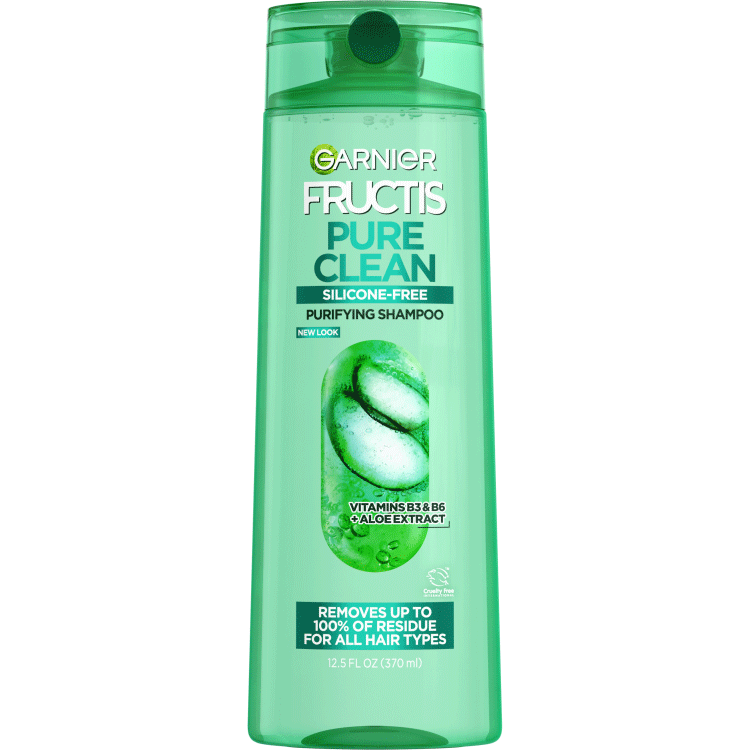
Higher-cleansing surfactants/chelators reset the scalp by periodically treating heavy buildup or hard-water residue. It can cause dryness, so use sparingly on all types of hair and scalps.
How to Apply Shampoo for Best Results
01
Step 1: Apply and Lather
Apply to scalp and roots only. Massage with fingertips for 60–90 seconds to break up oil and buildup. Let suds lightly pass through lengths as you rinse.
02
Step 2: Rinse
Rinse thoroughly and repeat if needed, especially after workouts or heavy styling.
03
Step 3: Condition
Only condition from mid-lengths to the ends to avoid weighing down the scalp.
04
Step 4: For Very Oily or Heavily Styled Hair
For very oily or heavily styled hair: Double cleanse by doing a brief clarifying wash, then use a gentler everyday formula. Clarifying is effective for buildup but can be drying if overused.

Finding Your Ideal Routine

  • Give new formulas 4–6 weeks; scalp and hair often need a few wash cycles to rebalance.
  • Use your regular shampoo and rotate specialized options (clarifying, medicated) as needed.
  • If flakes, irritation, or shedding persist, consult a dermatologist for targeted evaluation and care.
  • Track any changes—itch, flaking, shine, oiliness—in a journal to spot patterns and progress.

How to find your ideal shampoo routine - Garnier

Consider Holistic Hair and Scalp Health Factors

Scalp health reflects the whole you. Everything from genetics, diet and stress to hormones, sleep, and environmental exposure can affect oil production, inflammation, and shedding. Support your routine with:

• Stress management and regular movement.
• Balanced meals with adequate protein, iron, omega-3s, and micronutrients.
• Consistent sleep and sun/heat protection for scalp and hair.

For more everyday tips on rebalancing your scalp, see Garnier’s scalp care guide. If you think your condition is more serious, you can consult a hair and scalp specialist known as a trichologist. They use tools like dermatoscopes and order lab work for deeper insight and tailored care.

Frequently Asked Questions

  • How do I determine my scalp and hair type?
  • What ingredients should I avoid to protect my scalp?
  • How can I reduce hair fall with the right shampoo?

Garnier Commits to Greener Beauty