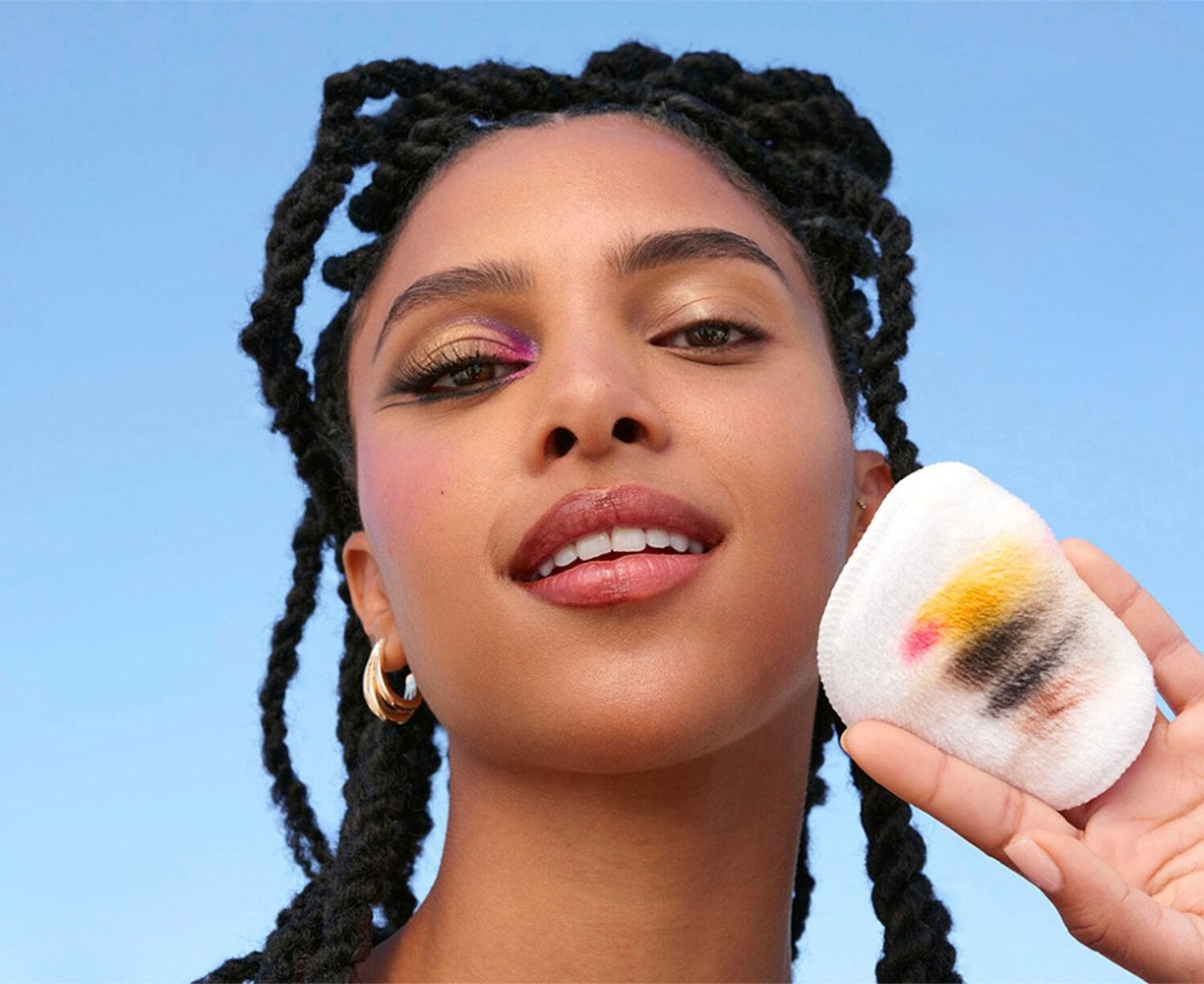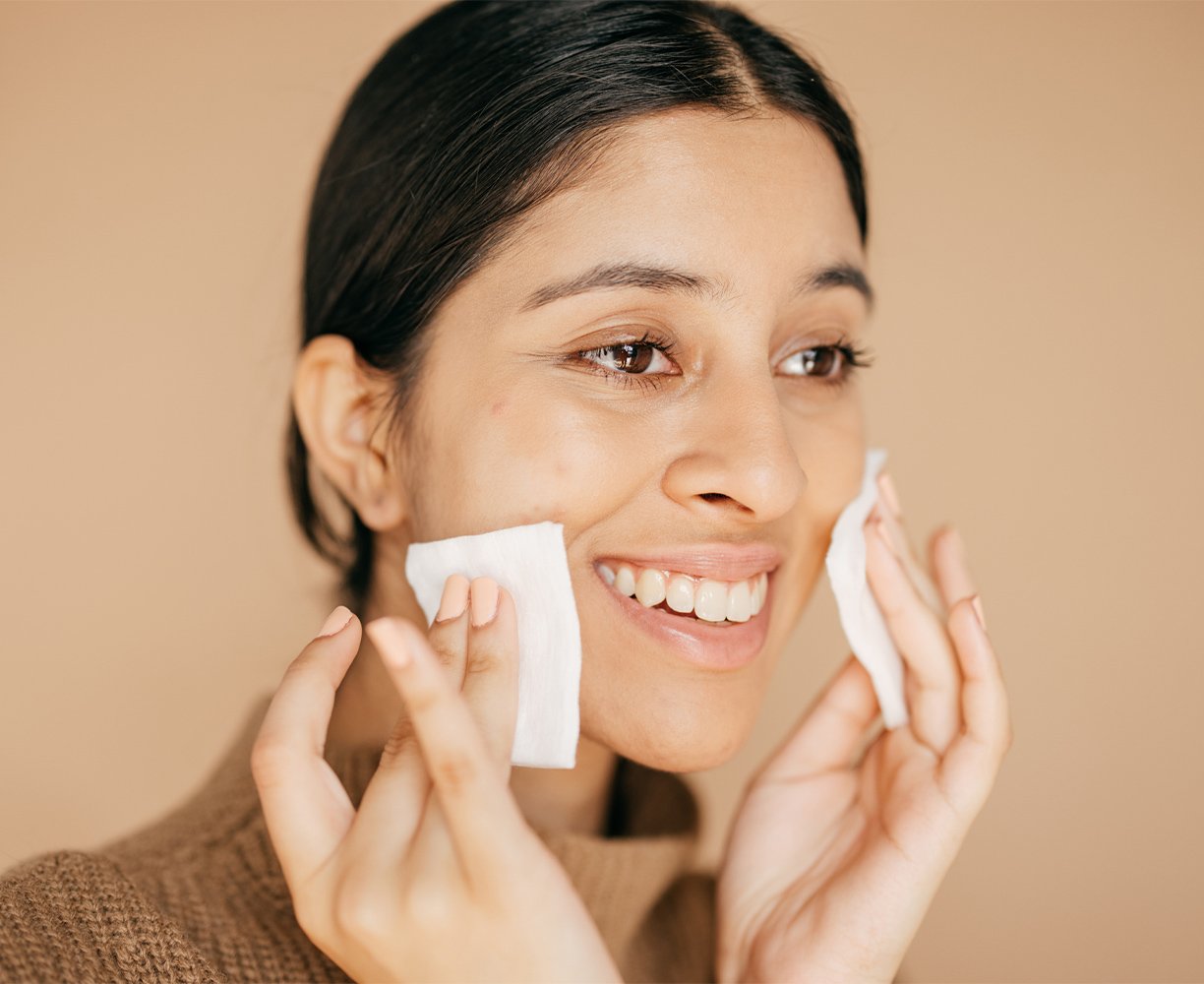
A smiling woman holds a cotton pad to her cheek, seemingly having just used it to remove makeup with micellar water. A smiling woman holds a cotton pad to her cheek, seemingly having just used it to remove makeup with micellar water.

Discover Why Micellar Water is the Superior Choice Over Makeup Wipes!

Micellar water is a gentle, no-rinse cleanser that effectively removes makeup while hydrating and refreshing the skin. Its cleansing power comes from micelles, tiny particles that attract and lift away impurities like a magnet. Micellar water typically contains purified water, mild surfactants, and micelles—a refreshingly simple formula. Many options also include skin-loving ingredients like glycerin to help maintain the moisture barrier while cleansing.

Makeup wipes offer a convenient, on-the-go way to remove makeup. They're pre-moistened with a solution containing surfactants, solubilizers, and emulsifiers to dissolve makeup, oil, and dirt. However, makeup wipes often don't cleanse the skin thoroughly and can be environmentally unfriendly. For broader context on responsible disposal and waste reduction, see the EPA’s Trash-Free Waters initiative.
Differences Between Micellar Water and Makeup Wipes

Several bottles of Garnier Micellar Cleansing Water in various sizes and colors are displayed, highlighting the product and its variations.

What Is Micellar Water?

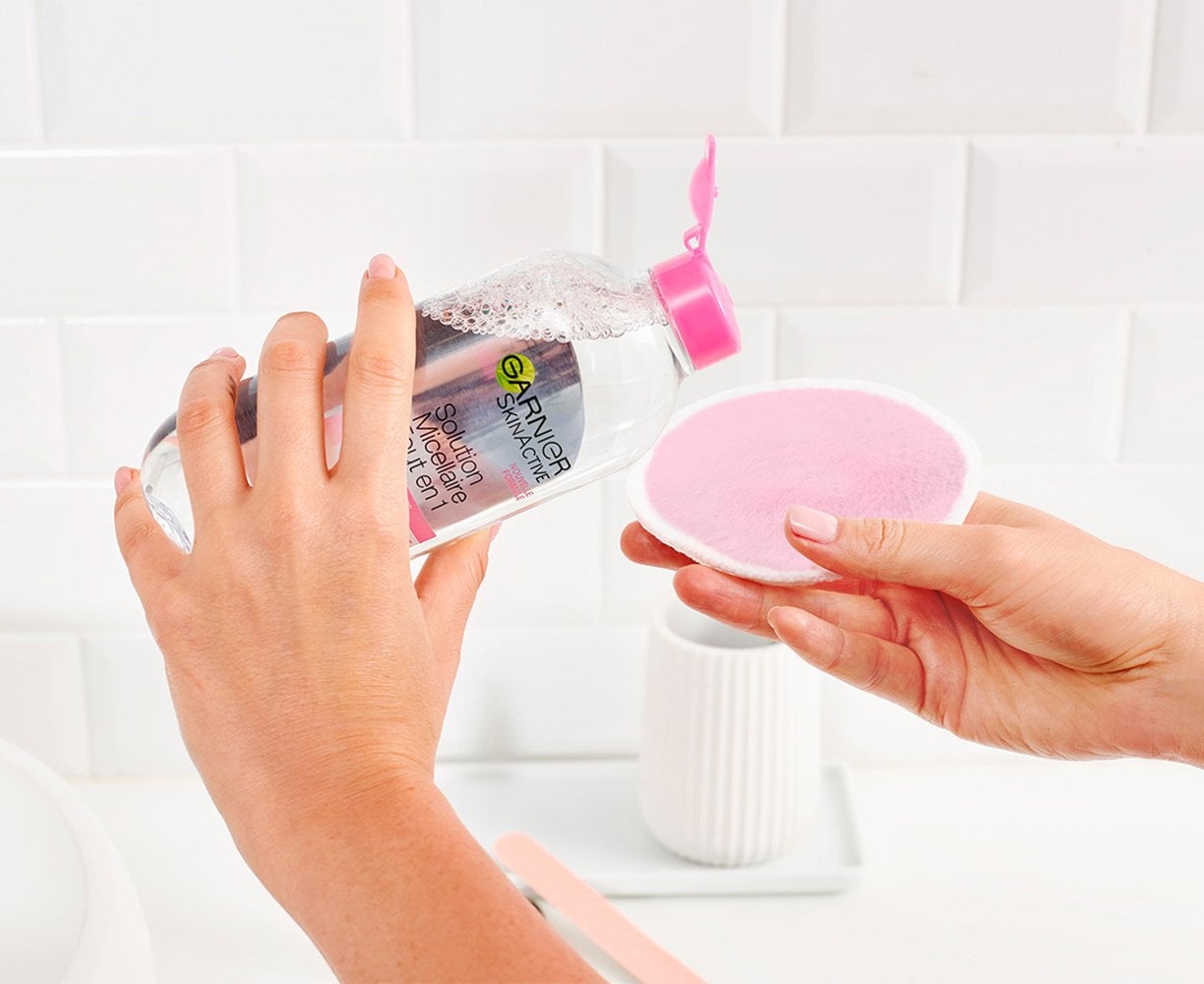
Micellar water simplifies cleansing by removing makeup, impurities, and toning the skin in a single step. Apply it with a cotton pad, or for an eco-friendly option, try reusable Micellar Cleansing Eco Pads. Micellar water is formulated without harsh ingredients and requires no rinsing.

What Are Makeup Wipes?

While makeup wipes remove makeup, they don't offer a thorough cleanse like micellar water. They often contain alcohol and other potentially irritating ingredients. Although convenient, makeup wipes are not eco-friendly. They're neither recyclable nor compostable and can take up to 100 years to decompose. The sheer volume of discarded makeup wipes contributes significantly to environmental pollution.

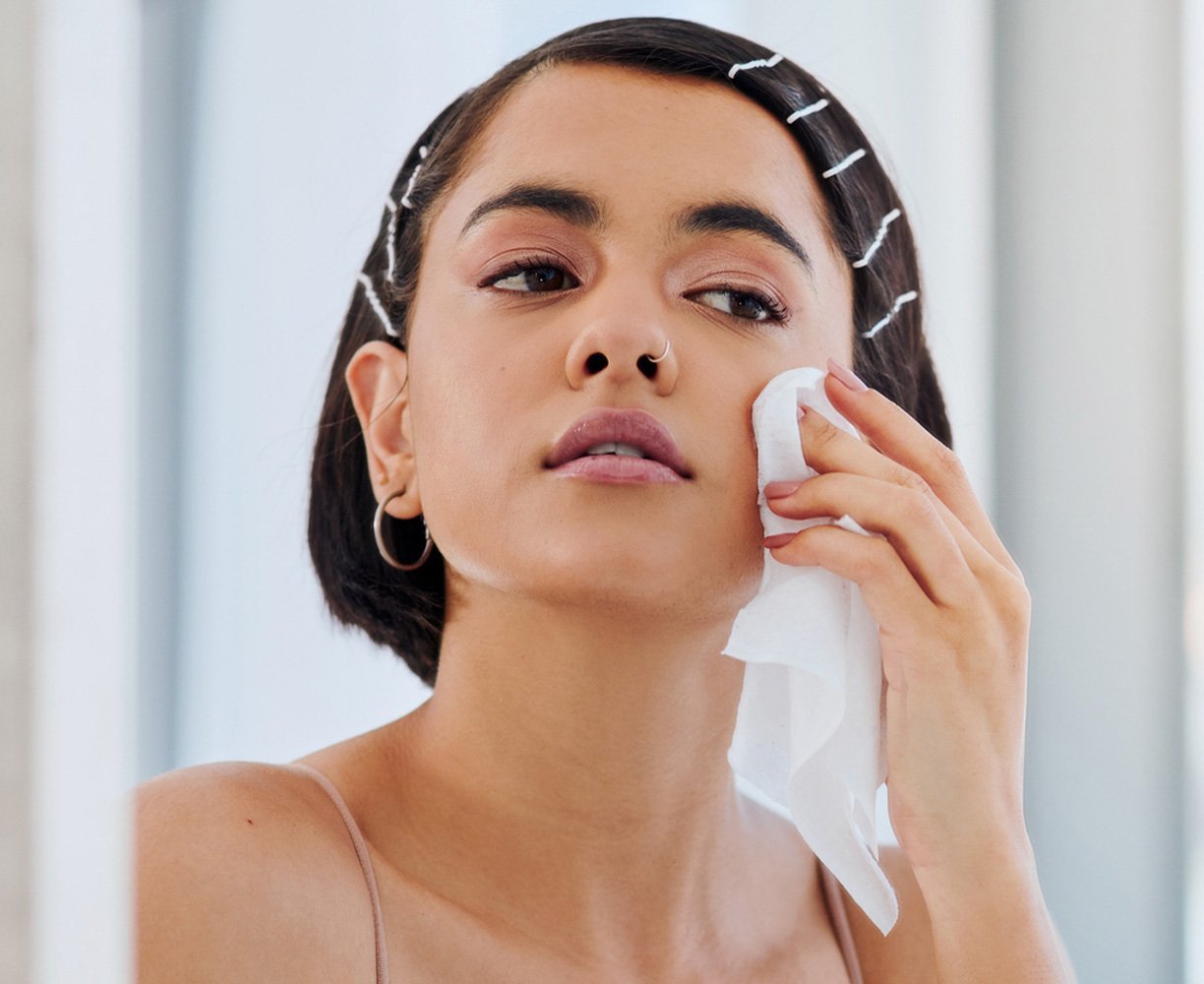
A person uses a makeup wipe to remove makeup, illustrating the standard use of the product.
Pros and Cons of Using Micellar Water
01
Pros
Micellar water effortlessly removes makeup while hydrating and toning, leaving skin refreshed without rinsing. Its gentle, no-rinse formula is free of harsh ingredients and suitable for all skin types.
02
Cons
Using micellar water typically requires a cotton pad or reusable cleansing pad.
Pros and Cons of Using Makeup Wipes
01
Pros
Makeup wipes offer convenience and portability, making them ideal for travel and quick touch-ups.
02
Cons
Makeup wipes don't cleanse the skin thoroughly and often contain harsh ingredients like alcohol, which can strip and irritate skin. Their single-use nature and plastic packaging contribute significantly to environmental waste.

Tip: For stubborn sunscreen or waterproof makeup, try a bi-phase or “waterproof” micellar formula and allow the soaked pad to sit on the area for a few seconds before gently sweeping.

Product Recommendations

Top Micellar Waters (by need):

• For sensitive skin: Garnier Micellar Cleansing Water All-in-1
• For waterproof makeup: Garnier Micellar Cleansing Water All-in-1 Waterproof
• For dullness and uneven tone: Garnier Micellar Cleansing Water with Vitamin C
• For dehydrated skin: Garnier Micellar Cleansing Water with Hyaluronic Acid + Aloe
• For oily/acne-prone skin: Garnier Micellar Cleansing Water All-in-1 Purifying with Salicylic Acid

Editor’s tip: When possible, opt for micellar water with reusable cotton or cleansing pads to minimize waste. For a primer on micellar water benefits, see the Cleveland Clinic’s overview.

Micellar Water vs Makeup Wipes FAQ

  • Is micellar water better than makeup wipes for sensitive skin?
  • Can I use micellar water as a complete skin care routine?
  • Can micellar water or makeup wipes cause breakouts?

Garnier Commits to Greener Beauty