
How to calm itchy scalp - Garnier How to calm itchy scalp - Garnier

How to Calm Itchy Dry Scalp

An itchy, dry scalp can feel distracting and uncomfortable, but relief is often closer than you think. You need to identify what’s driving your symptoms, then adjust your routine and find targeted dry scalp remedies. In most cases, a few smart swaps like hydrating shampoos and leave-ins will calm irritation and restore comfort. Below, Garnier experts share recommended treatments for dry scalps and dermatologist-backed steps paired with our plant-powered, cruelty-free care to help you quickly soothe an itchy, dry scalp.

Identify the Cause of Your Itchy Dry Scalp

An itchy scalp can stem from several triggers: dehydration, product buildup, allergic or irritant reactions (sometimes from hair dye), or dandruff. Dry scalp typically shows up as small, powdery flakes and a tight feeling. Dandruff, on the other hand, produces larger, oilier flakes and often relates to an overgrowth of Malassezia yeast in an oily environment; it requires different care, including antifungal actives for control.¹

If you notice significant redness, hair shedding, or persistent itch, see a dermatologist—especially if symptoms escalate or spread.

¹ According to dermatology reporting on Malassezia yeast and excess sebum in a Healthline overview on leading dandruff actives and causes

Pause New Hair Products and Monitor Reactions

If your itch starts after trying something new, stop using any new products and give your scalp a 1–2 week “washout” to see if symptoms improve. Allergic contact dermatitis—an itchy, inflamed reaction caused by substances touching the skin—is a common trigger on the scalp. Fragrances and hair dyes containing para-phenylenediamine (PPD) are frequent offenders.

If you develop a spreading rash, oozing, or swelling, seek medical care promptly.

Cleanse Gently with Shampoo and Suitable Water Temperature

Gentle cleansing is the foundation of comfort. Wash 2–3 times weekly with a hydrating scalp treatment and avoid very hot water, which can strip the scalp’s natural lipids. Among other recommended treatments for dry scalp, dermatologists advise only shampooing a few times a week.

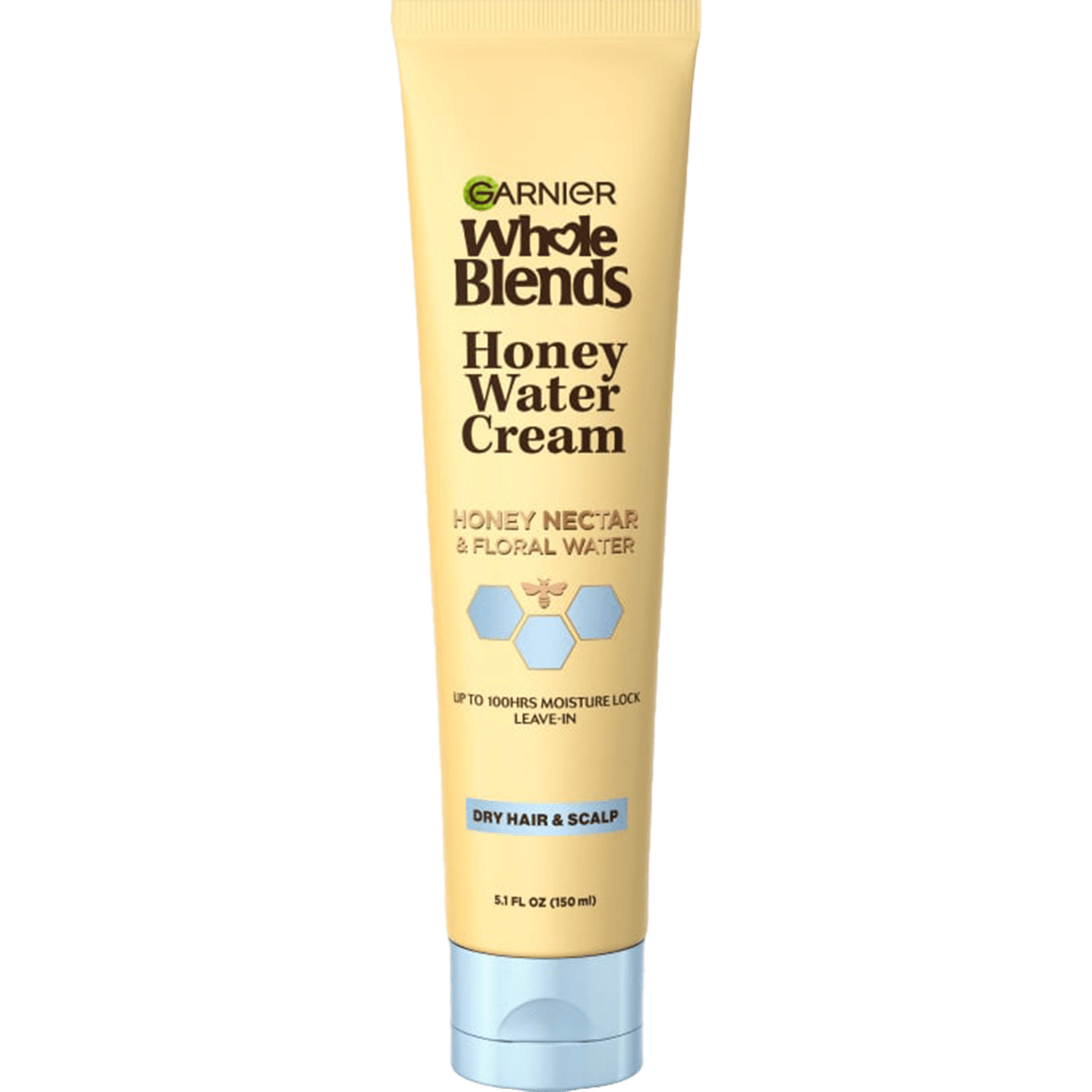
Garnier favorites to support a hydrated, balanced scalp:

Dry scalp relief made easy with Garnier hydrating shampoo and conditioner - Garnier

Hydrating shampoo refers to a cleanser that removes impurities with gentle surfactants and adding nourishing ingredients that help protect the scalp’s lipid barrier. Limit overwashing and go easy on dry shampoos and heavy styling products that can build up at the roots.

Use Targeted Medicated Treatments for Flakes and Yeast

If you see greasy flakes or feel a persistent itch, add an over-the-counter dandruff rinse 1–2 times weekly. Common active ingredients—ketoconazole, zinc pyrithione, and selenium sulfide—reduce yeast and excess oil, which are key drivers of dandruff. For best results, massage into the scalp and leave on for 5–10 minutes before rinsing. This technique is recommended in the American Academy of Dermatology’s itchy scalp guidance. Alternate medicated dry scalp shampoo with your Garnier hydrating shampoo to maintain moisture or do a double cleanse by following your regular shampoo with the dandruff treatment.

Summary of common anti-dandruff actives:

Incorporate Weekly Exfoliating or Pre-Wash Scalp Treatments

When used sparingly, salicylic acid-based rinses or gentle scrubs can improve clarity and comfort. For example, a weekly scalp exfoliation helps lift dead skin, sebum, and product residue so your scalp can better absorb moisture and active ingredients. Follow these steps for best results:

For more scalp-care ideas, see Garnier’s scalp care tips.

Apply Hydrating and Barrier-Repair Serums or Oils

Lightweight scalp serums and plant oils help re-balance the moisture barrier between washes. Dry scalp remedies include options like aloe vera gel, diluted tea tree oil, and nourishing oils such as coconut, avocado, and jojoba are frequently recommended for soothing and hydration. Tea tree should always be diluted and patch-tested.

How to use hydrating oils/serums:

  • Apply a small amount to the scalp, massage gently, leave on for 15–30 minutes, then shampoo.
  • Keep application light to avoid residue at the roots.
  • For a non-greasy daily boost, mist Fructis Pure Moisture 10-in-1 Leave-In Spray onto mid-lengths and part lines as needed.

How to use hydrating scalp treatments for itchy scalp care - Garnier

Adjust Styling Habits to Reduce Scalp Irritation

High heat can worsen dryness and flaking and may contribute to breakage and shedding when overused. Adopt a gentler routine:

Hair dye tip: Apply color to the hair shaft only—avoid direct scalp contact to minimize dye-related irritation.

When to Consult a Dermatologist for Persistent Scalp Issues

See a dermatologist if itch persists beyond 4–6 weeks of at-home care, or if you notice substantial hair loss, oozing, or severe redness. Early awareness helps prevent complications and aligns you with safe, tailored medicated dry scalp shampoo and treatments.

Frequently Asked Questions

What are the best home remedies for itchy dry scalp?

Popular dry scalp remedies include coconut oil as a pre-wash, aloe vera for soothing moisture, and diluted tea tree oil to address yeast. Apply for 15–30 minutes, then shampoo.

How do I moisturize my dry scalp daily without greasiness?

Look for hydrating scalp treatments like a lightweight leave-in mist. Then add a tiny drop of nourishing oil on part lines. The goal is microdosing moisture so roots stay fresh.

Should I use special shampoos for itchy dry scalp?

Yes. Use gentle, hydrating shampoos like those from Garnier for dryness and add a medicated dry scalp shampoo 1–2 times weekly if you see oily flakes.

How can I tell the difference between dry scalp and dandruff?

Dry scalp shows small, dry flakes and tightness, whereas dandruff causes larger, oily flakes and often stems from excess oil and yeast.

What lifestyle changes help prevent an itchy dry scalp?

Wash less often, use lukewarm water, minimize hot tools, and avoid harsh chemicals. Protect the scalp from sun and cold, and build a moisture-first routine.

Garnier Commits to Greener Beauty